Last updated November 22, 2026
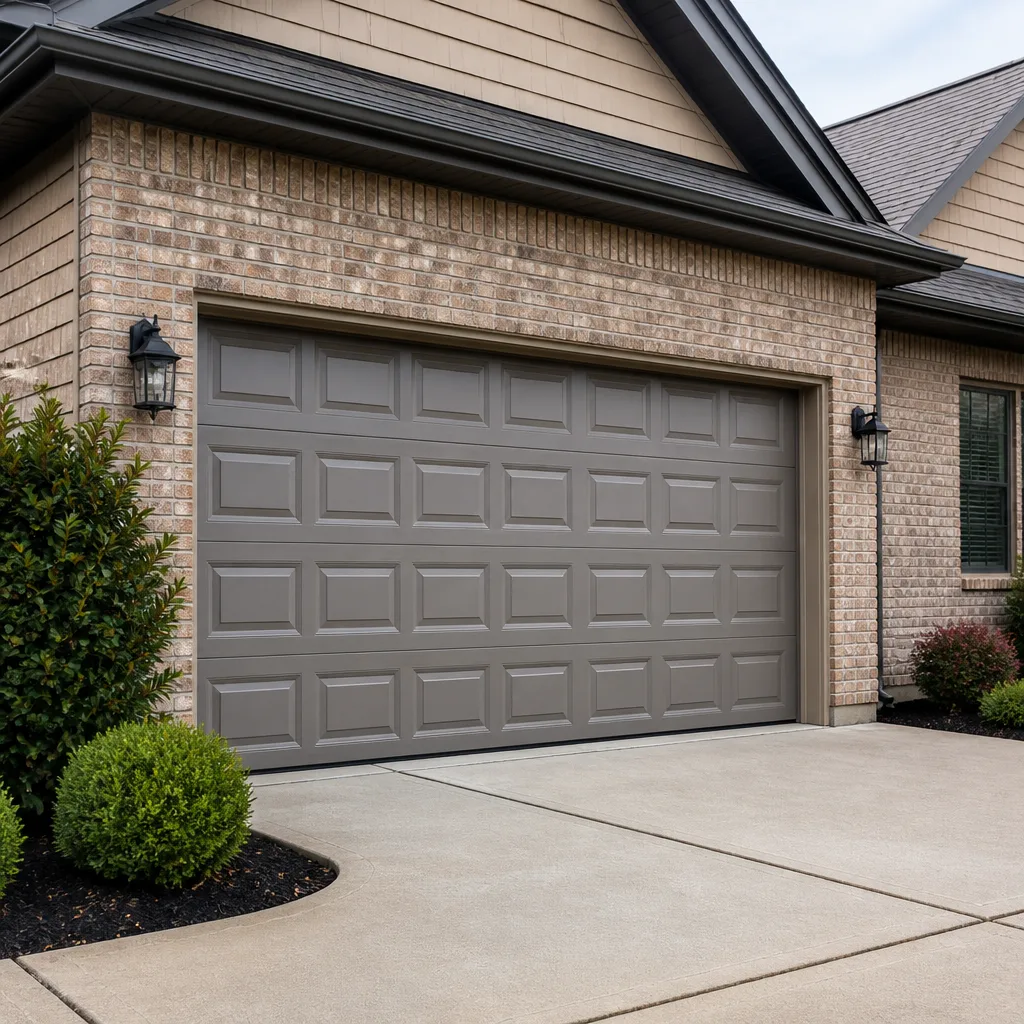 Raised-panel steel
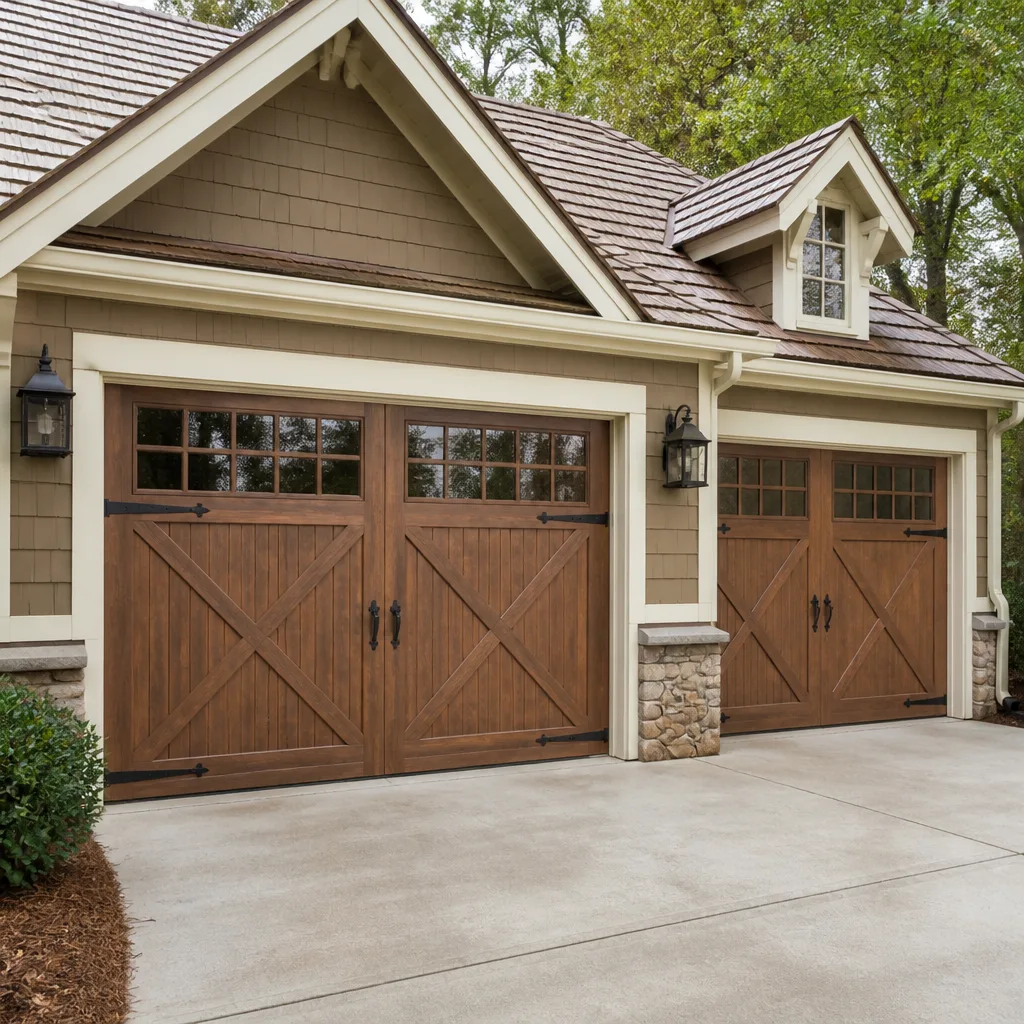 Carriage house
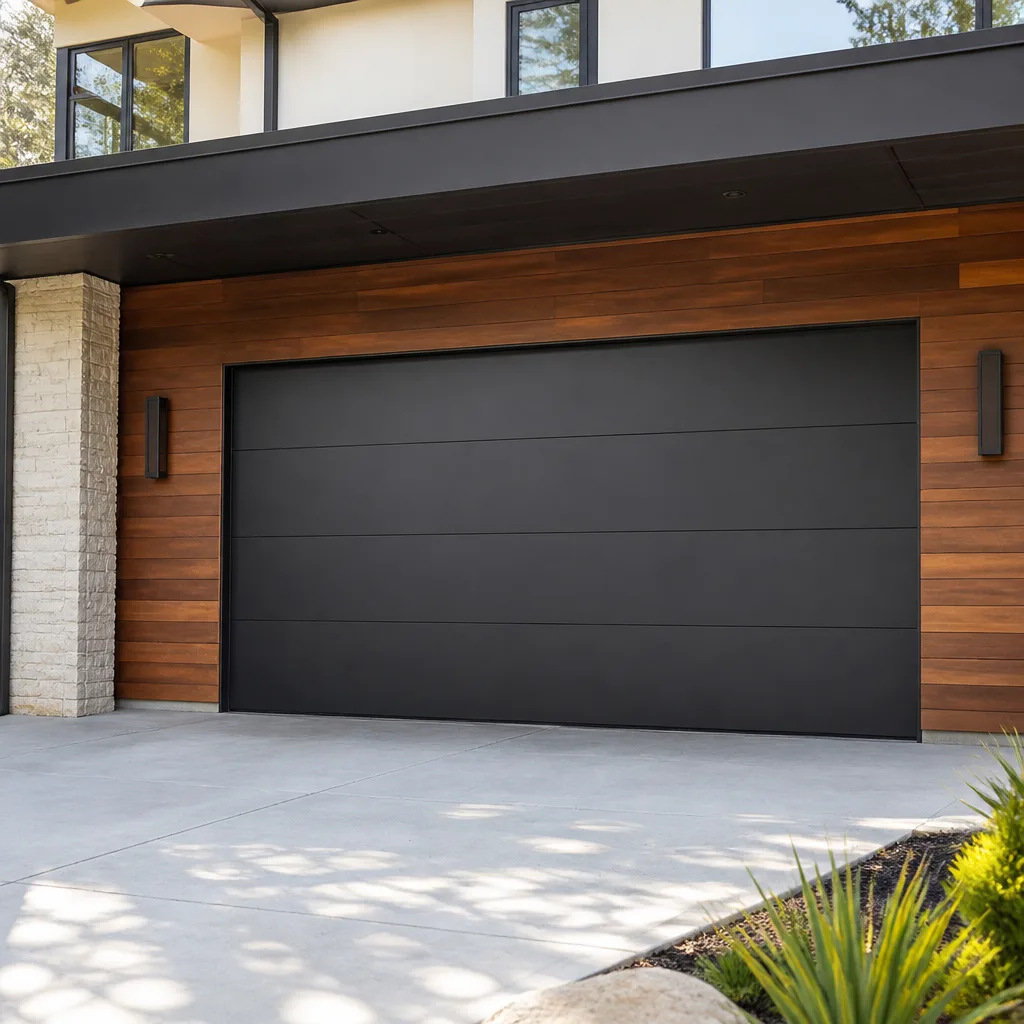 Modern flush
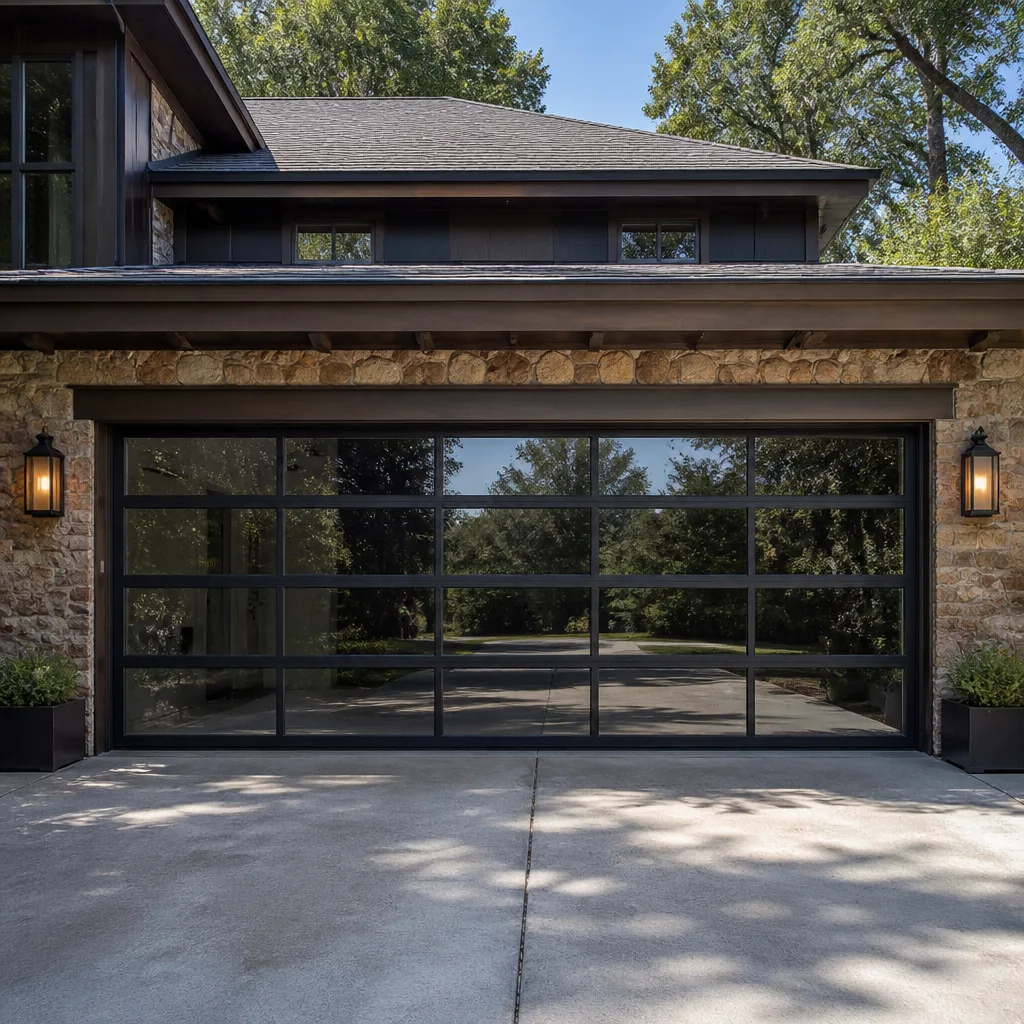 Full-view glass
 LiftMaster openers
 Chamberlain openers
Full 25-point door and opener safety check with every visit - springs, cables, rollers, tracks, and your LiftMaster or Chamberlain opener included
You get a price before we start. It does not change when the pro arrives.
Get your free estimateSeasonal Garage Door Care for Land O Lakes: Year-Round Homeowner’s Guide
Most garage door advice you’ll read online was written for a place with four seasons. Land O Lakes doesn’t have four seasons. It has two, and they put completely different kinds of stress on your door. The wet season soaks and swells wood, drives humidity into every hinge, and turns a smooth track into a muddy channel. The dry season bakes the rubber seals, drifts your opener’s force settings, and leaves springs sitting in heat that never lets up. Treat the calendar like a northern homeowner and you’ll miss the two checkpoints that actually matter here. This guide maps out what to inspect, adjust, or replace at the start of each Florida season so the failures Land O Lakes homeowners call about most never get a chance to start.
Quick Answer
Garage door care in Land O Lakes follows Florida’s two-season rhythm, not a four-season schedule. Do your main wet-season prep in May and June (bottom seal, track drainage, opener sensitivity) and your dry-season audit in October and November (weatherstripping, opener force settings, spring lubrication). The single most important task is a spring and balance check twice a year, because the thermal swings here work springs and hardware harder than steady cold ever would.
Styles & brands we work with
- Raised-panel steel
- Carriage house
- Modern flush
- Full-view glass
- LiftMaster openers
- Chamberlain openers
Table of Contents
- Why Land O Lakes Garage Doors Face Two Seasons, Not Four
- Wet Season Prep: What to Do in May and June
- Storm Readiness: Disconnecting and Securing Your Door Safely
- Dry Season Audit: What to Check in October and November
- How Florida Heat and Thermal Swings Affect Your Springs
- The Pre-Season Task Most Homeowners Skip: Wind Load Rating
- Brand-Specific Care: What Different Hardware Needs
- When to Call a Professional
Why Land O Lakes Garage Doors Face Two Seasons, Not Four
A garage door in Land O Lakes lives through a daily expansion-and-contraction cycle that hardware in most of the country never sees. Morning temperatures can sit in the low 70s and afternoon highs push well into the 90s, and that swing repeats day after day through the warm months. Metal tracks, hinges, and the door panels themselves grow and shrink with each pass. Bolts that were tight in the cool morning work themselves loose by afternoon. Multiply that by a season’s worth of days and you get the slow loosening that shows up as a rattling door or a track that’s drifted out of alignment.
Then the wet season arrives and adds moisture to the mix. Humidity swells wood door cores and wooden jamb frames, which can pinch a track or throw a panel out of square. Rain blown in under the door sits against the bottom seal and seeps into the concrete. By the time the dry season returns, everything that loosened and swelled needs to be walked back to spec.
That’s the core idea behind this guide. In Land O Lakes, you’re not winterizing and summerizing. You’re prepping for rain and then recovering from heat. Two checkpoints a year, timed to the seasons, cover almost everything.
What “seasonal” actually means here
- Wet season (roughly May through October): humidity, daily storms, standing water at the door threshold, and swollen wood.
- Dry season (roughly November through April): high heat, intense sun on south- and west-facing doors, dried-out rubber, and drift in opener settings.
- The transition weeks (May-June and October-November): your two maintenance windows.
We work on doors across Land O Lakes and the surrounding Pasco County neighborhoods, and the pattern holds whether you’re near the older established streets or in one of the newer communities off the main corridors. The door doesn’t care about the address. It cares about the temperature swing and the rain.
Wet Season Prep: What to Do in May and June
Your wet-season prep is about keeping water out and keeping the door moving freely when everything around it is damp. Do this in May or early June, before the afternoon storms settle into their routine.
- Inspect the bottom seal. Run your hand along the rubber seal at the bottom of the door and look for cracks, flattening, or gaps. A seal that’s lost its shape lets water in and lets cool air out. Replace it if it’s hard, split, or no longer touches the floor evenly across the width.
- Clear the tracks of debris and check drainage. Sweep leaves, grit, and anything the wind blew in out of the vertical and horizontal tracks. Then look at where water goes when it rains. If water pools against the door threshold or runs into the garage, the grade or the seal is the problem, and no amount of lubricant fixes that.
- Test the opener’s sensitivity. Humidity can swell a wood door enough to change its weight, and an opener set for a dry-season door may strain or reverse on a heavier wet-season one. Put a small block of wood flat on the floor and close the door on it. The door should reverse on contact. If it doesn’t, the force setting needs adjustment.
- Lubricate the moving parts. Hinges, rollers, and the opener’s rail and chain benefit from a garage-door lubricant (not household oil or grease, which attract grit). Wipe the old residue off first.
- Check the safety sensors. Make sure the photo-eye sensors at the base of the tracks are aligned and their lenses are clean. Rain and dust cloud them, and a misaligned sensor is one of the most common reasons a door won’t close.
If the door feels heavy when you lift it by hand with the opener disengaged, stop there and get it looked at. A heavy door points to a spring or balance problem, and that’s the one thing on this list you shouldn’t try to correct yourself. Our garage door spring repair service exists precisely because springs are the highest-risk component in the whole system.
Storm Readiness: Disconnecting and Securing Your Door Safely
June 1 marks the start of hurricane season, and in Land O Lakes that means a real chance of losing power for a stretch. When the power goes, your opener is dead weight, and you need to know how to take the door off it. The good news is that the manual release is designed for exactly this. The important part is doing it correctly and knowing when not to touch it.
How to disconnect your opener safely
- Make sure the door is fully closed first. Never pull the release with the door up. A door that’s open when you disconnect it can come down hard.
- Find the release cord. It hangs from the trolley that rides on the opener rail above the door. It usually has a red handle.
- Pull straight down and back toward the door. That disengages the trolley from the carriage so the door moves by hand.
- Lift the door by hand to check balance. A properly balanced door should lift with moderate effort and stay put when you let go partway up. If it’s very heavy or won’t hold, the springs need attention, and you should not force it.
Securing the door if power is lost
With the opener disconnected, the door is held shut only by gravity and its own balance. If a named storm is coming, lower the door fully and, if you have them, engage any manual locking bars or slide bolts the door came with. Keep the area in front of the door clear so nothing can strike it. After the storm, before you re-engage the opener, check that the tracks are straight and clear and that nothing is jammed, then re-engage the trolley and test the door with the opener.
One caveat worth stating plainly: if a spring has broken or the door is sitting crooked after a storm, don’t run the opener and don’t try to force the door by hand. Call for help. That’s a genuine emergency situation, and it’s exactly the kind of call our Garage Door Repair Land O Lakes team handles.
Dry Season Audit: What to Check in October and November
The dry season is when summer’s damage comes due. The heat and sun have been working on your door since spring, and by October the rubber, the opener settings, and the springs have all drifted. This audit walks everything back to where it should be.
- Check the weatherstripping for UV cracking. Look at the rubber seal along the sides and top of the door frame and the bottom seal. Sun exposure dries rubber out and cracks it. Cracked seals let in water, bugs, and heat. Replace any section that’s brittle or split.
- Recalibrate the opener’s force settings. Force settings drift over a summer of heavy use and heat. Run the block test again (close the door on a block of wood; it should reverse) and re-check the travel limits so the door opens and closes fully without slamming.
- Re-lubricate the springs and hardware. After months of heat, the springs and moving parts are dry. A light coat of proper garage-door lubricant on the springs, hinges, and rollers keeps them quiet and reduces wear. Never lubricate the tracks themselves, and never try to adjust spring tension yourself.
- Check the door’s balance. Disengage the opener, lift the door halfway, and let go. It should hold. If it sinks or feels heavy, the springs have lost tension over the summer and need professional service.
- Tighten loose hardware. Go over the hinge and bracket bolts with a wrench. The daily thermal cycle has been loosening them since spring.
If the opener itself is misbehaving after these adjustments, the issue may be the unit rather than the door. That’s a separate job, and our garage door opener repair service covers LiftMaster, Chamberlain, Genie, and Craftsman units, which are the ones we see on most Land O Lakes homes.
How Florida Heat and Thermal Swings Affect Your Springs
Here’s the part most seasonal guides miss. A garage door balanced in January may feel noticeably heavier by August, and the reason is the daily thermal cycle. Springs are steel, and steel expands with heat. Torsion springs in particular are wound to a precise tension; when the whole assembly heats up and cools down every single day, that tension slowly drifts and the metal fatigues faster than it would in a steady climate. The result is a door that gets heavier over the summer without anything obviously breaking.
That heaviness transfers straight to your opener motor. The motor works harder to lift a door the springs are no longer helping with, which shortens the opener’s life and can trip its force settings. It’s a slow cascade, and the first symptom a homeowner notices is usually that the door seems sluggish or the opener strains.
Why a matched pair matters
When a spring finally breaks, it’s tempting to replace just the one that snapped. Don’t. Springs are installed as a matched pair on a torsion system, and if one has failed, the other has lived the same life and is likely to fail soon after. Replacing the pair keeps the door balanced and saves you a second service call. A single-spring price is one number; a matched pair is roughly double, because it’s two springs and the same labor.
Why springs are a professional job
We’ll say this clearly because it’s the one thing on this page we don’t want you attempting: torsion springs store enormous energy, and adjusting or removing one without the right tools and training can cause serious injury. Leave it to a trained technician. If your door is heavy, loud, or won’t hold its position, that’s your signal to call. Springs are the most dangerous part of any garage door, and handling them safely is a big part of what we do.
We also see plenty of doors where the panels, hardware, and springs have all aged together, and the honest question becomes repair-versus-replace. Our garage door repair service covers the repair side, and full installation is available when a door is genuinely past saving. We’ll tell you which one actually makes sense for your situation rather than pushing the bigger job.
The Pre-Season Task Most Homeowners Skip: Wind Load Rating
Before hurricane season, most homeowners stock water and check their shutters and never give a thought to the garage door. In a storm, the garage door is often the largest and weakest opening on the house. If it fails, wind gets inside and the pressure can compromise the roof and walls. So the one task worth doing before every season is verifying that your door’s wind load rating matches what Pasco County’s current code requires for your home.
Here’s what that means in plain terms. Garage doors carry a wind load rating, expressed as a design pressure, and it tells you how much wind pressure the door and its hardware are rated to resist. Newer doors are rated for specific wind speeds and come with the hardware – the tracks, brackets, and reinforcement – that meets that rating. An older door, or one that was installed with hardware that doesn’t match its rating, may not hold up as well.
How to check your door’s rating
- Look for a label or sticker on the door, often inside the garage on one of the panels, that lists its wind load rating.
- Check your original installation paperwork if you have it.
- Don’t guess. Building codes and product ratings change, and what was acceptable when your home was built may differ from what’s required now.
- The authoritative answer comes from Pasco County’s building department. Ask them directly what your door needs to meet current requirements. We can’t tell you what your specific home requires; they can.
If your door turns out to be under-rated or you’re not sure, a replacement door with the correct rating and matching hardware is one of the better storm-readiness investments a Land O Lakes homeowner can make. We install doors from brands like Amarr and Wayne Dalton that are rated for Florida wind requirements, and we’ll help you match the rating to what the county asks for.
Brand-Specific Care: What Different Hardware Needs
Different hardware has different weak points, and knowing which brand is on your door saves time and trouble. We work on eight of the most widely installed door and opener brands – LiftMaster, Chamberlain, Genie, Clopay, Amarr, Wayne Dalton, Craftsman, and Raynor – which means we arrive familiar with the exact hardware already on your home.
Openers: LiftMaster, Chamberlain, Genie, Craftsman
Opener care is mostly about force settings and travel limits, which drift in the heat. Each brand sets these a little differently, and the remote and keypad programming varies too. If yours loses its settings after a power blip or a season of heat, the fix is usually a quick reprogramming rather than a replacement. Chamberlain and LiftMaster share a lot of internal design, while Genie and Craftsman units have their own quirks in the sensitivity and travel adjustments.
Doors: Clopay, Amarr, Wayne Dalton, Raynor
On the door side, the panel construction and the seals are where seasonal care shows up. Steel and composite panels on Clopay and Amarr doors hold up well to sun but still need their weatherstripping checked for UV cracking. Wayne Dalton and Raynor doors each have their own hardware and spring setups, and the balance check at the start of each season tells you more about their health than any visual inspection. On any of these, a bottom seal that’s lost its shape is the first thing to replace when the wet season comes.
When a repair or a replacement is on the table, working with a company that already knows your brand’s parts and tolerances makes the job faster and the result more predictable.
Common Mistakes to Avoid
- Lubricating the tracks. Tracks should be clean and dry, not greasy. Lubricant on the tracks collects grit and causes the rollers to slip, which is worse than leaving them alone.
- Replacing one spring instead of the pair. A broken spring means its partner has the same wear. Replacing both keeps the door balanced and prevents a second breakdown in the same season.
- Adjusting spring tension yourself. This is the most dangerous mistake on the list. Torsion springs hold enough energy to cause serious injury, so leave the adjustment to a trained technician.
- Ignoring a heavy door. A door that gets heavy over the summer is telling you the springs are losing tension. Waiting strains the opener motor and can lead to a bigger repair.
- Assuming the wet season is the only hazard. The dry season’s UV and heat do just as much damage to rubber seals and opener settings, and the October audit is what catches it.
- Forgetting the bottoms seal. A cracked bottom seal is the most common cause of water intrusion into a Land O Lakes garage, and it’s the cheapest thing to fix if you catch it early.
- Skipping the wind load check. Many homeowners never verify that their door’s rating matches current Pasco County requirements. It’s the one storm-prep step that matters most and gets done least.
If any of these sounds familiar, or you’d rather have the seasonal checklist done by someone who knows the door, our team covers repair and installation end to end: from the opener to the panels to the hardware, one call covers it all. Free estimates, and the price you’re quoted is agreed before any work starts.
See the difference
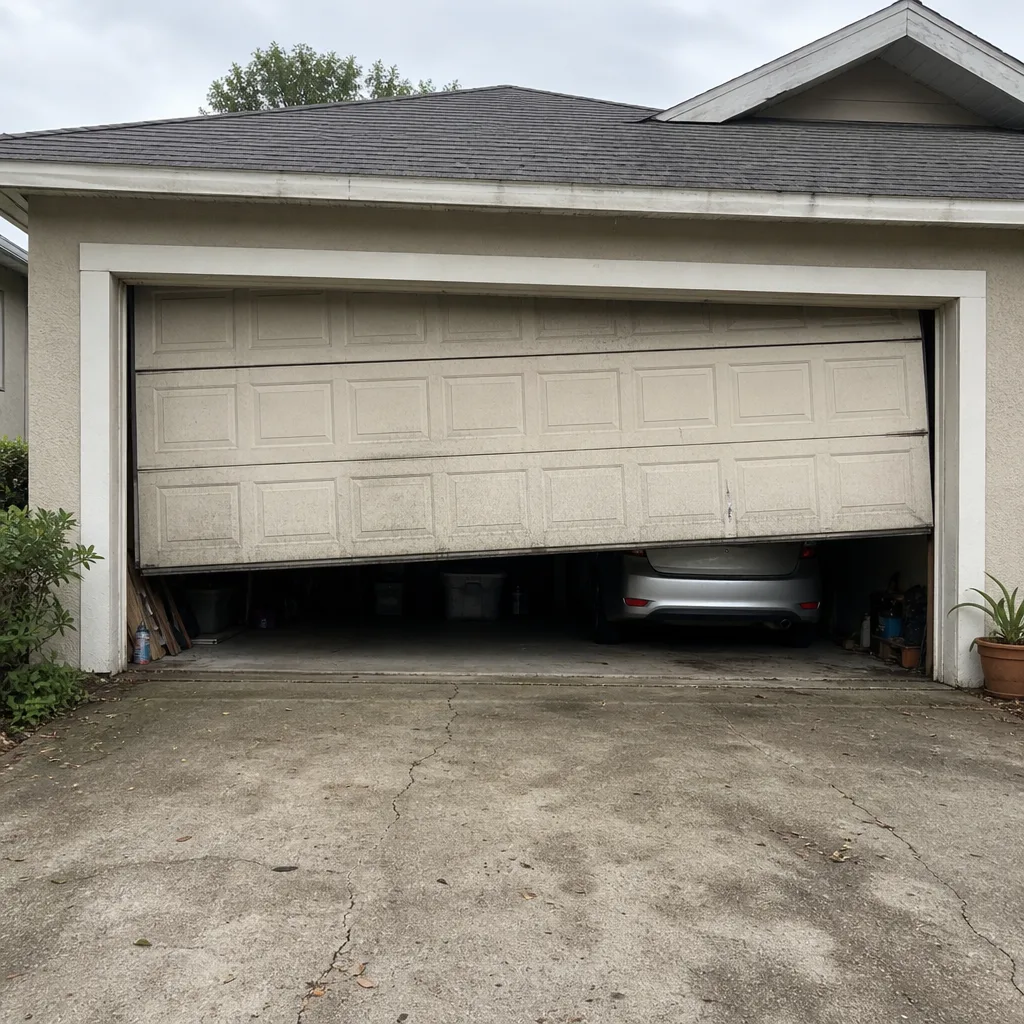 Before
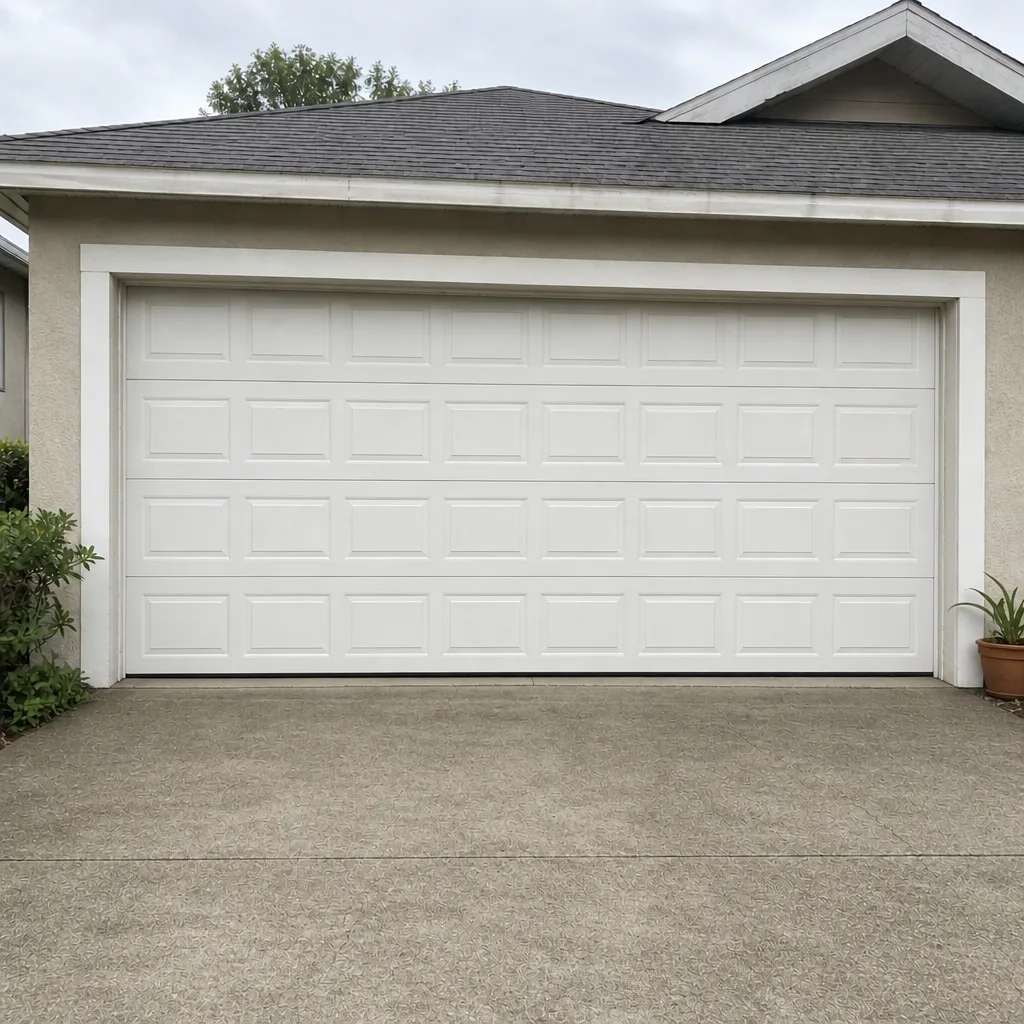 After
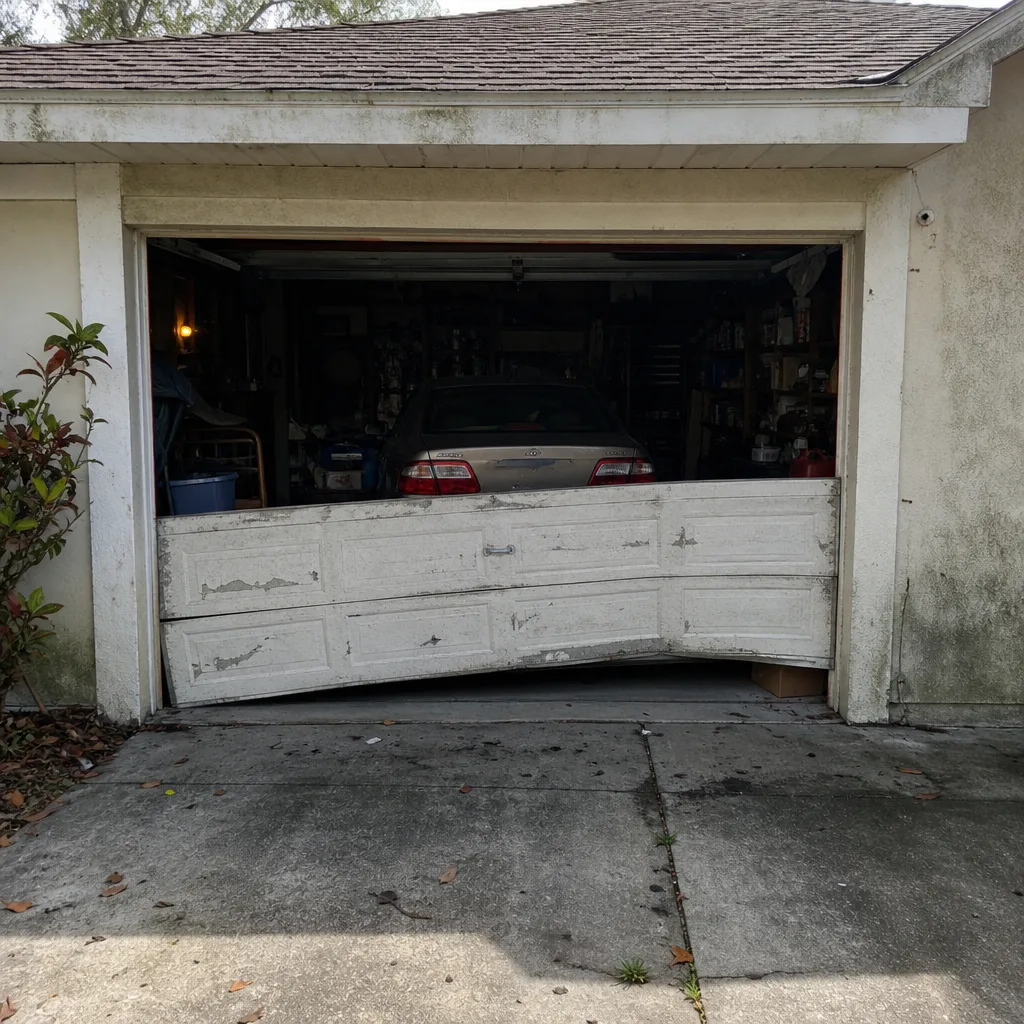 Before
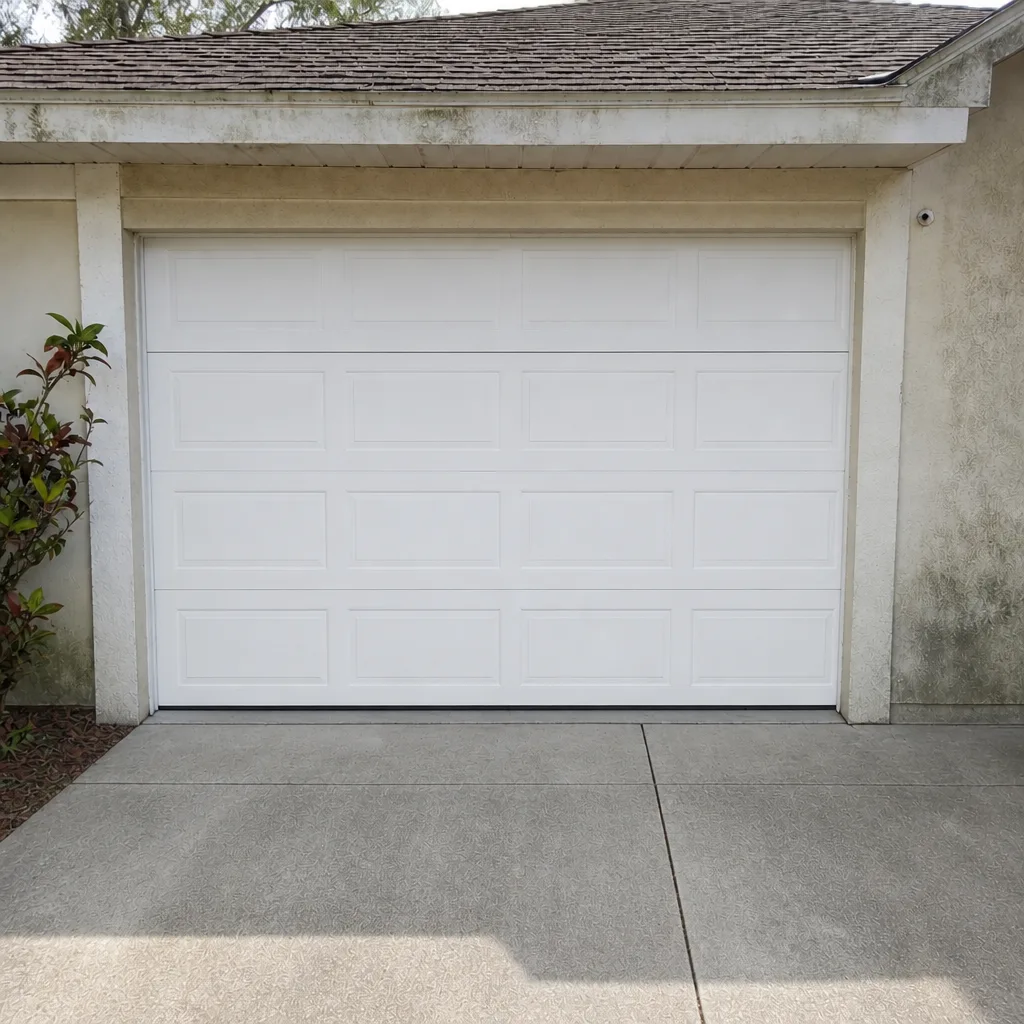 After
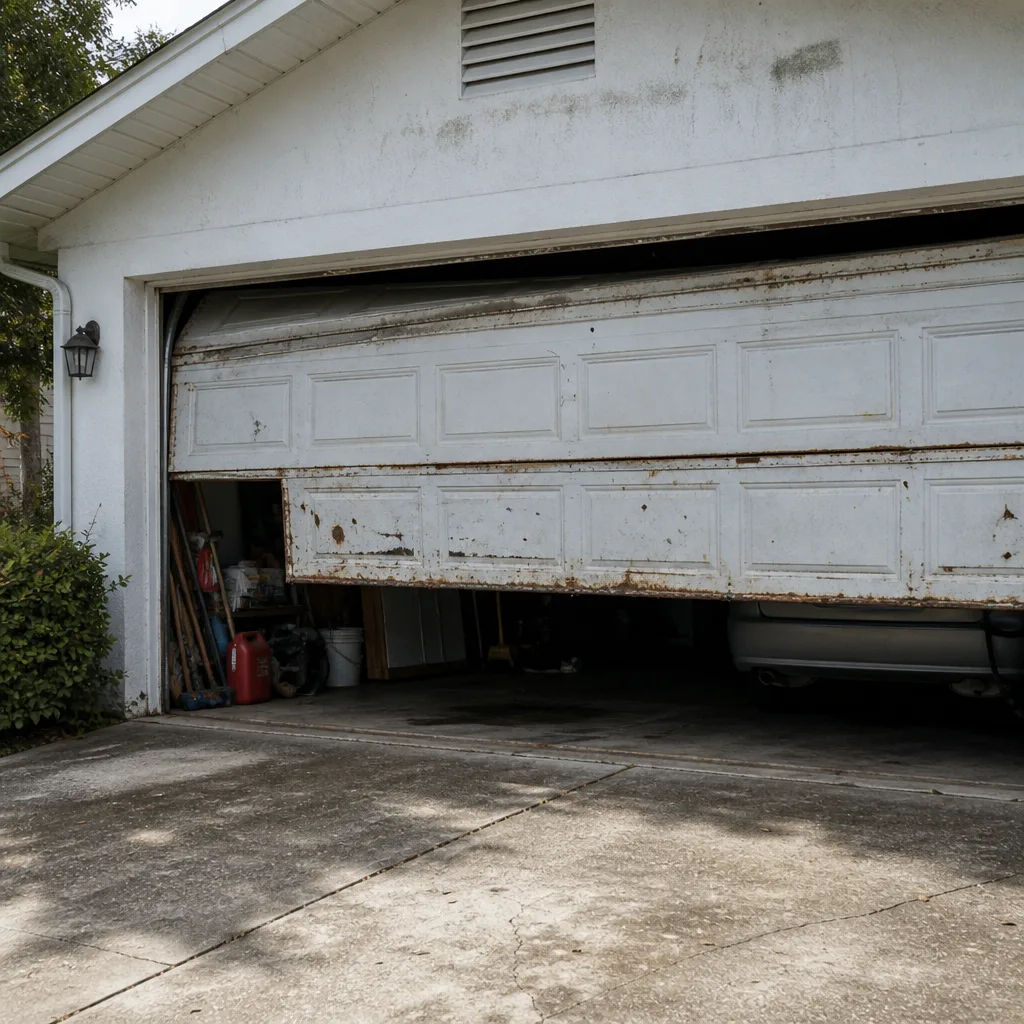 Before
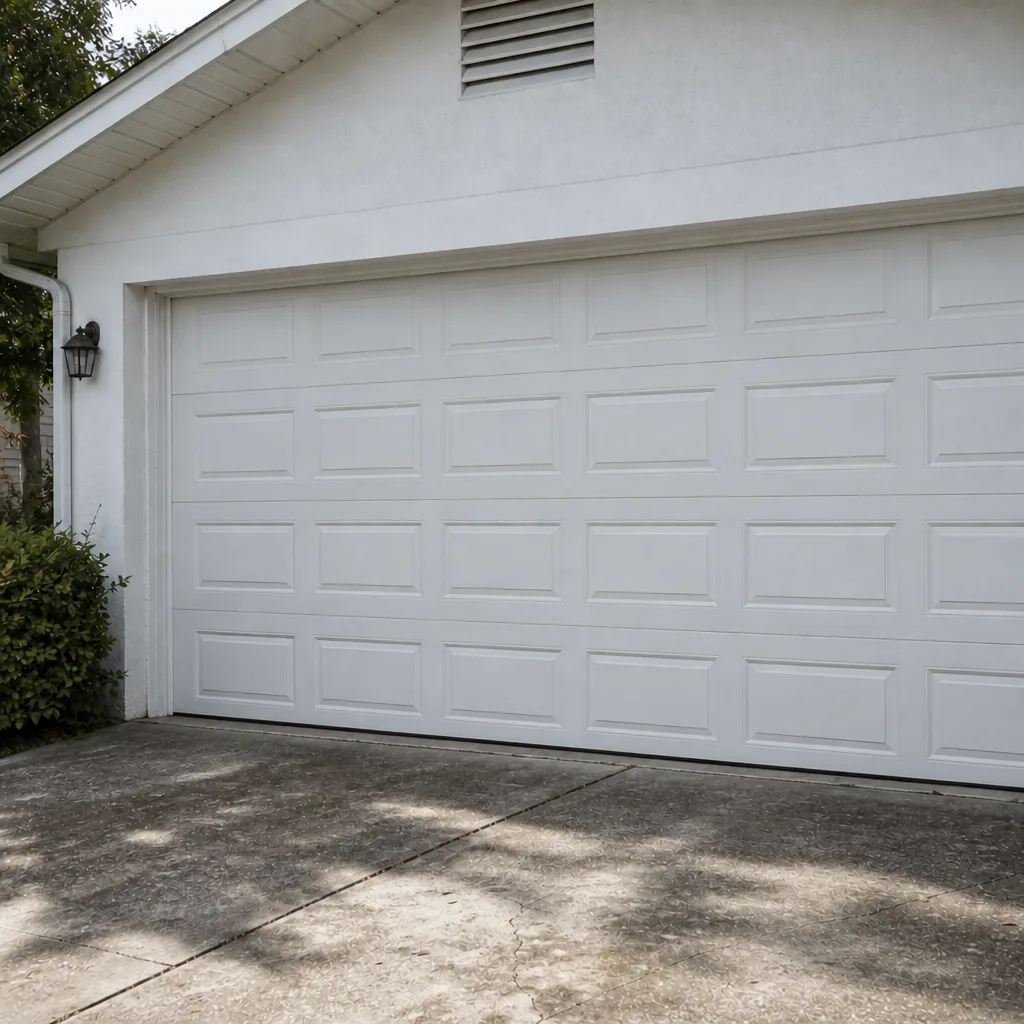 After
When to Call a Professional
Some tasks belong in the homeowner’s hands and some don’t. Change a bottom seal or clear a track and you’re fine. But there are specific situations where calling is the right move: a door that’s heavy when lifted by hand, a spring that’s snapped or visibly separated, a door that’s crooked or off its tracks, an opener that reverses on its own or won’t respond, or any damage after a storm. In those cases, don’t run the opener and don’t force the door. Our technicians have up to 12 years of experience and handle spring repair, opener repair, and repair-versus-replace decisions, with emergency service available when a door won’t open or close. Garage Door Repair Land O Lakes offers free estimates in Land O Lakes – call (844) 660-8384.
Frequently Asked Questions
Twice a year, timed to Florida’s seasons: once in May or June before the wet season and once in October or November after the heat of summer. Those two checkpoints cover the seal, track, opener, and balance checks that matter most here, and a spring and balance check is the core of each visit.
Heat expands the steel in your springs, so their tension drifts and the door gets heavier over the summer. That extra weight strains the opener motor and is one reason we recommend checking the door’s balance at the start of the dry season. If it’s noticeably heavy, the springs need professional attention, so call us at (844) 660-8384 for an estimate.
Check the bottom seal, the tracks, and the safety sensors, and most importantly verify that your door’s wind load rating matches what Pasco County’s current code requires for your home. That rating is the one thing that matters most in a storm and the one most homeowners never check.
You can, but you shouldn’t. Springs are installed as a matched pair and wear at the same rate, so if one has failed, the other is likely close behind. Replacing the pair keeps the door balanced and avoids a second breakdown. A single spring price is one number; the matched pair runs about double. Call us for an exact quote.
Spring repair is priced per the job and depends on whether it’s a single spring or a matched pair and the type of spring on your door. We give you a written estimate before any work starts, so you know the price up front. Call (844) 660-8384 and estimates are free.
No. The written quote is the price, and it’s agreed before any work begins. If we find something extra during the job, we’ll explain it and get your go-ahead before doing anything that adds to the cost. Before you book, call (844) 660-8384 for a free estimate.
The Bottom Line
Seasonal garage door care in Land O Lakes comes down to two checkpoints a year and a healthy respect for your springs. In May and June, seal the door, clear the tracks, and tune the opener for the wet season. In October and November, replace UV-cracked weatherstripping, recalibrate the opener, lubricate the springs, and check the balance. Before every hurricane season, verify your wind load rating against Pasco County’s requirements. And whenever the door feels heavy or a spring breaks, stop and call a professional. Do those things and the door you rely on every day keeps working through both Florida seasons. The local pro is licensed and insured as their state requires, and the price is agreed before any work starts.
Ready to get ahead of the season? Call (844) 660-8384 for a free estimate and we’ll take a look at your door, from the opener to the panels to the springs.
Written by the team at Garage Door Repair Land O Lakes.