Last updated November 22, 2026
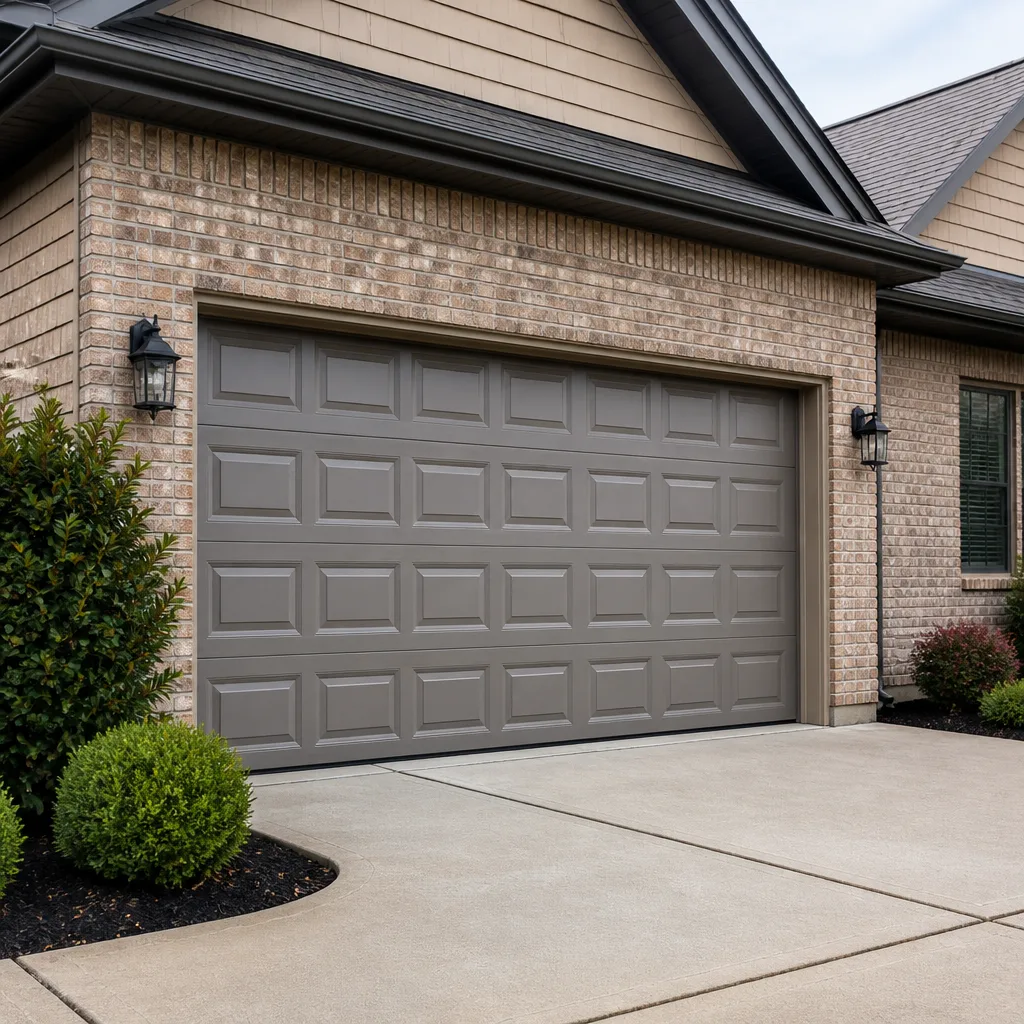 Raised-panel steel
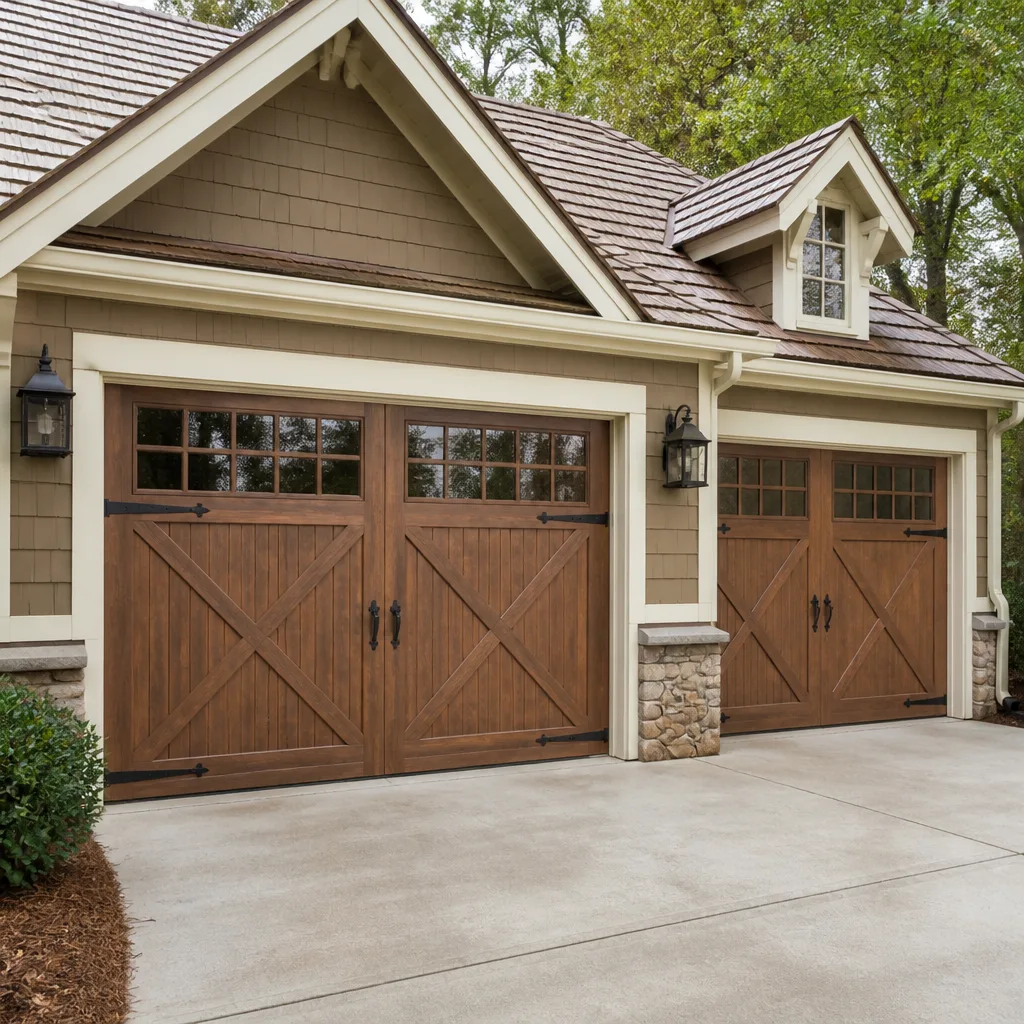 Carriage house
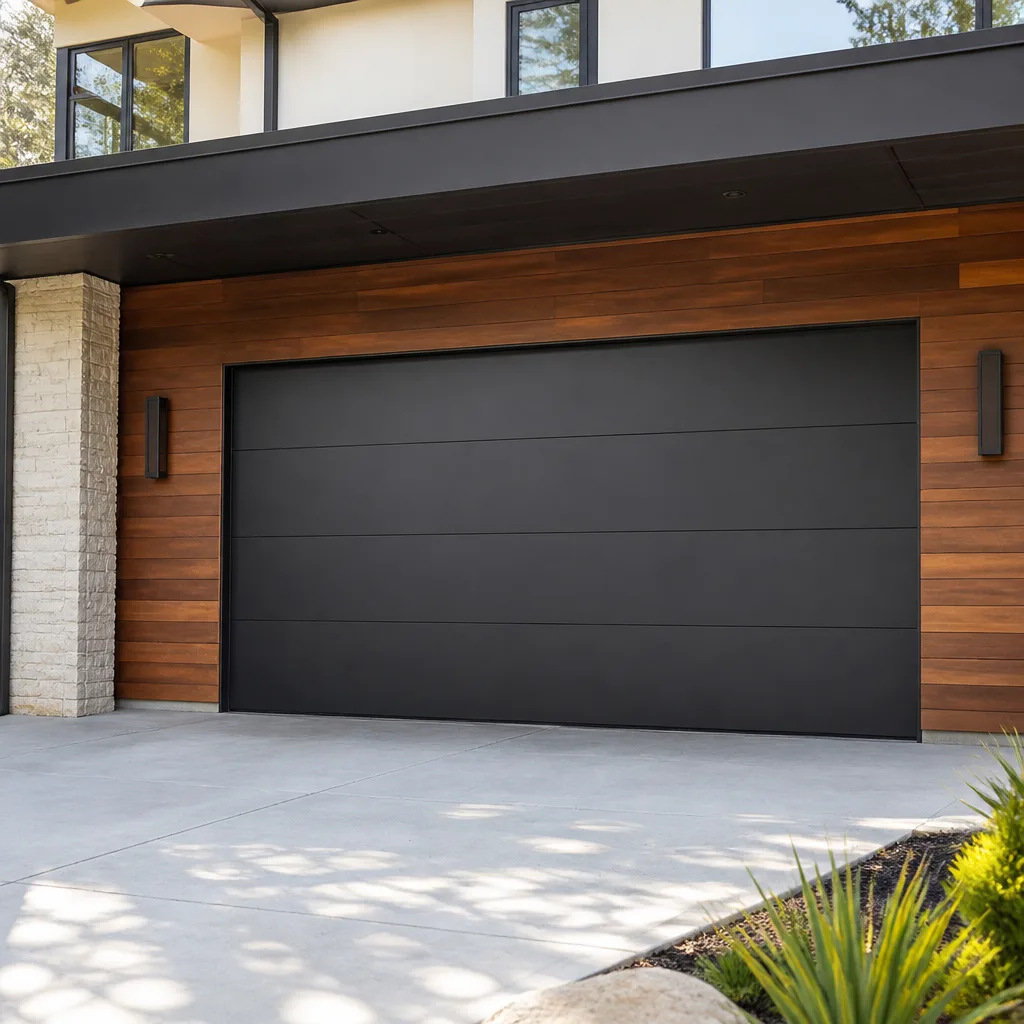 Modern flush
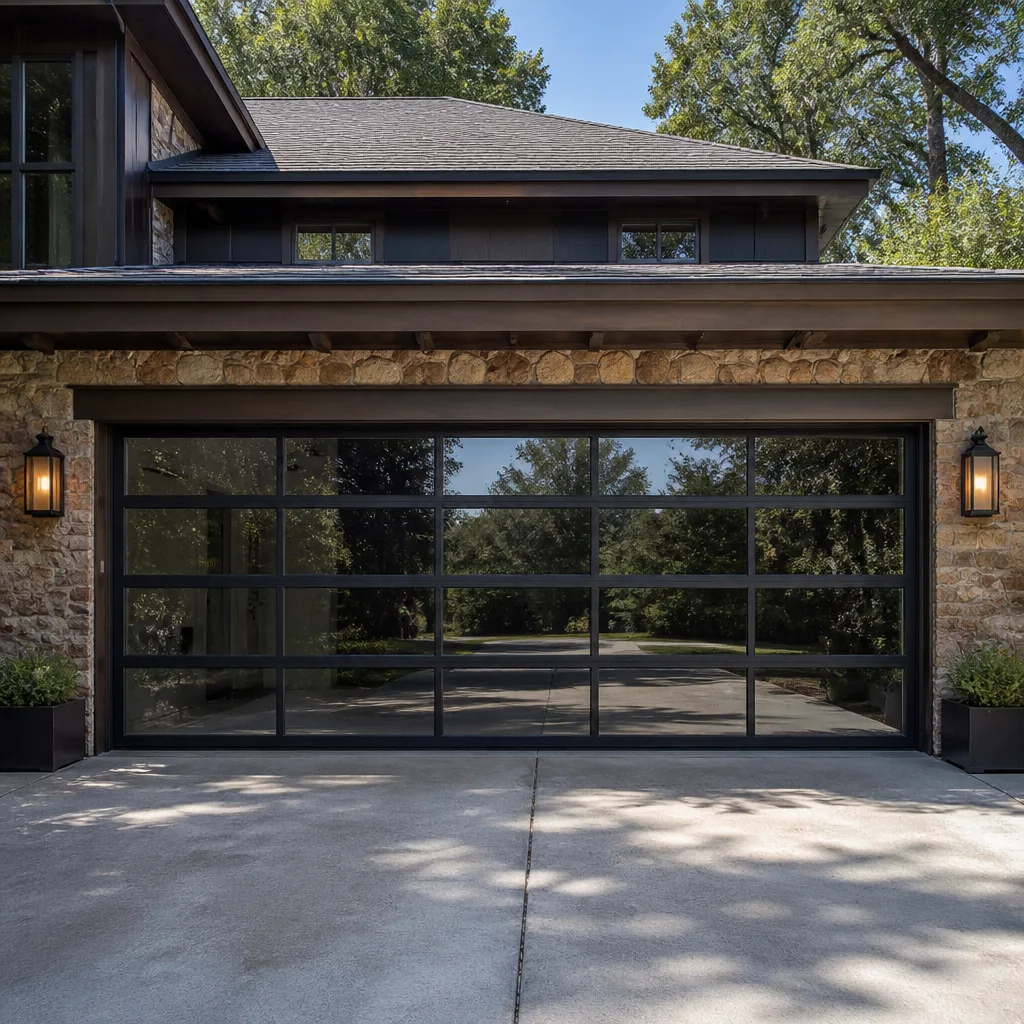 Full-view glass
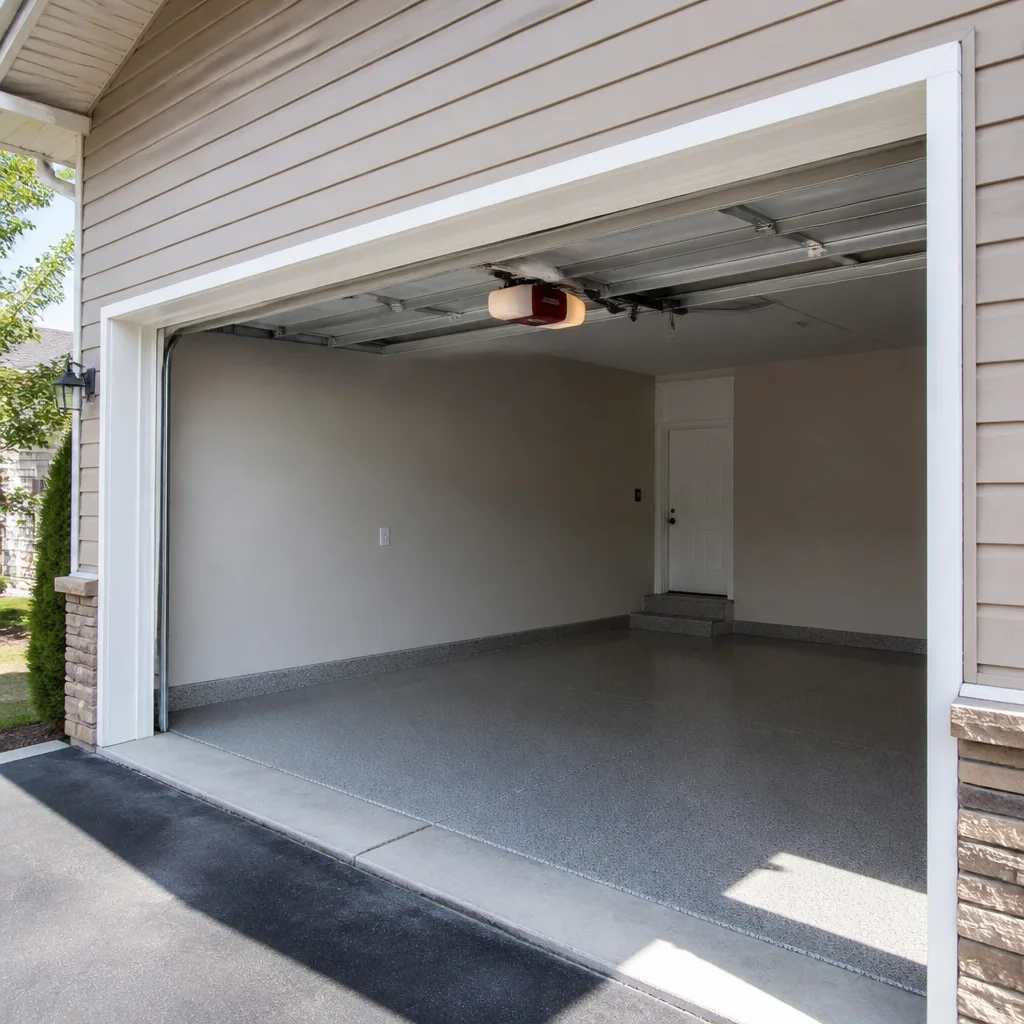 LiftMaster openers
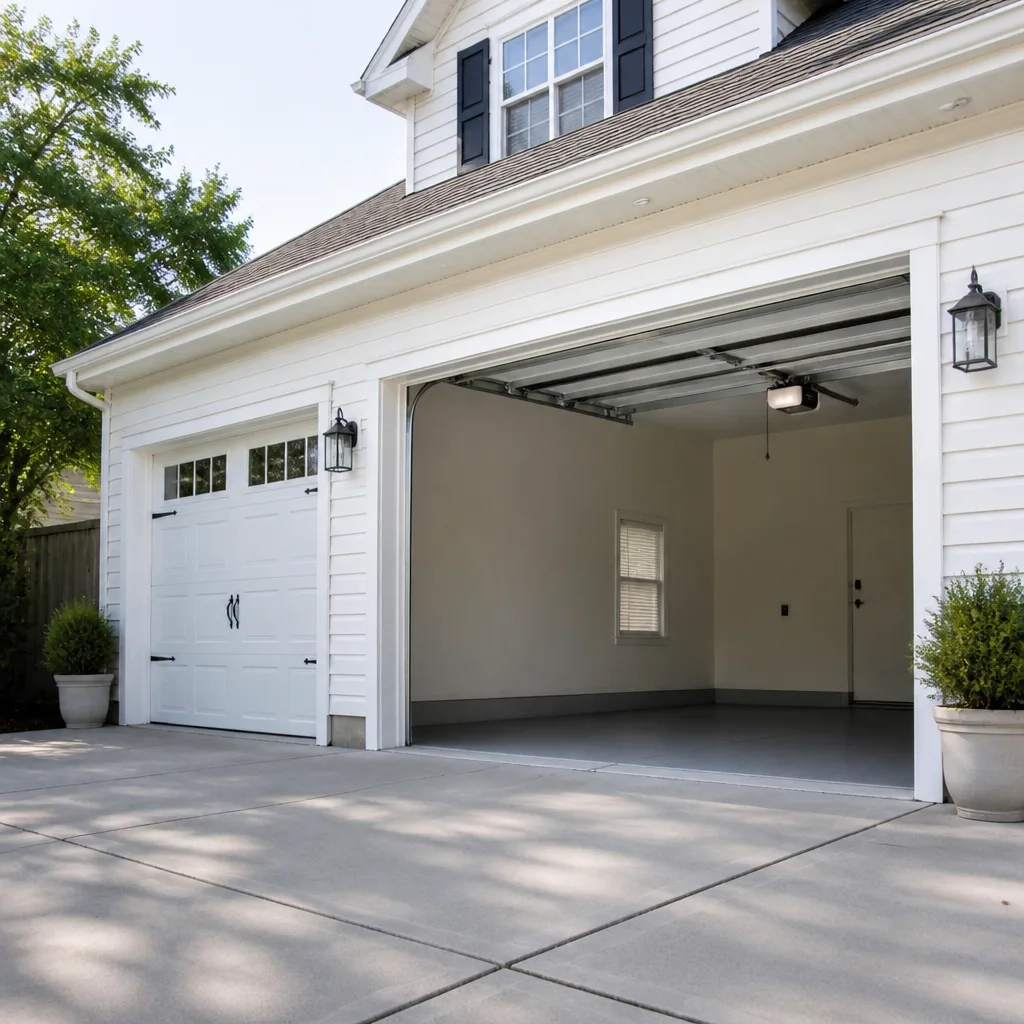 Chamberlain openers
Full 25-point door and opener safety check with every visit - springs, cables, rollers, tracks, and your LiftMaster or Chamberlain opener included
You get a price before we start. It does not change when the pro arrives.
Get your free estimateDIY vs Professional Garage Door: The Land O Lakes Homeowner’s Decision Guide
Most garage door advice online treats the whole machine like a live wire. It isn’t. Your garage door is a collection of parts with very different risk profiles, and lumping them together is why so many Land O Lakes homeowners either pay a technician to do a ten-minute job or, worse, try to unwind a torsion spring with a couple of screwdrivers. Here’s the part that doesn’t get said often enough: a torsion spring holds enormous stored torque, and improper unwinding is the leading cause of serious garage door injuries. That single fact justifies caution on exactly one or two tasks, not on all of them. At least six common repairs are genuinely homeowner-appropriate. This guide draws a hard, honest line between the two, so you know what to do yourself and what to pick up the phone for in Land O Lakes.
Styles & brands we work with
- Raised-panel steel
- Carriage house
- Modern flush
- Full-view glass
- LiftMaster openers
- Chamberlain openers
Quick Answer
You can safely handle lubrication, weatherstripping, photo-eye alignment, opener code resets, and minor dent repair yourself. You should never touch torsion springs, cables, or tracks under load, because those carry real injury risk and need a trained technician. Everything else falls in between, and the deciding factor is usually time, tools, and whether the part is under tension.
Table of Contents
- Where the Real Line Sits Between DIY and Professional
- The Six Garage Door Tasks That Are Genuinely DIY-Safe
- Four Jobs That Require a Trained Technician, Every Time
- Torsion vs Extension Springs: The Different Risk Profiles
- The Cost-Benefit Math for Land O Lakes Homeowners
- Tools and Parts Available Locally
- What Professional-Grade Parts Actually Mean
- Common Mistakes to Avoid
- When to Call a Professional
- Frequently Asked Questions
Where the Real Line Sits Between DIY and Professional
The DIY-versus-professional question gets muddled because people frame it as skill. The better frame is stored energy. Any component of a garage door that holds tension while you’re near it gets handed to a trained technician. Any component that does not hold tension is fair game for a careful homeowner with an afternoon free. That’s the line, and it’s cleaner than most guides make it.
A torsion spring under load is storing roughly 150 to 200 pounds of torque, depending on the door’s weight and height. When that spring is properly wound and connected to a winding cone, it is doing mechanical work constantly, even when the door is at rest. Touch it wrong and the stored energy releases fast. There’s no gradual warning.
Compare that with a photo-eye sensor or a roller. Those parts are doing nothing dangerous. Unbolt them, swap them, retighten them, and the worst outcome is a misaligned door that doesn’t close smoothly. You’ll notice within fifteen seconds and can call for help from a safe distance.
Here in Land O Lakes, that distinction matters because of how much use the door gets. A door in a subdivision off U.S. 41 or near State Road 54 might cycle six to ten times a day between school runs, work commutes, and dog outings. Hardware wears, and not always evenly. Springs fatigue faster than panels. Rollers dry out before hinges fail. A homeowner who knows which parts are safe to touch can keep the door running for years without a service call, and still call a pro when the spring finally tells you it’s done.
We’ve seen both ends of it: homeowners who paid for a technician to replace a weather seal, and homeowners who tried to loosen a winding cone with a two-by-four. The first is wasteful but harmless. The second is why our garage door spring repair team treats every spring job as a stand-back job.
The Six Garage Door Tasks That Are Genuinely DIY-Safe
These six repairs don’t involve stored energy. They’re safe for a homeowner with basic tools and a reasonable amount of patience, and each one saves a service call.
- Lubricate rollers and hinges. Use a silicone-based or white lithium spray lubricant on the hinges and roller stems (not the tracks). Skip the tracks entirely; they should stay clean and dry. Once or twice a year is enough.
- Replace weatherstripping. The bottom seal or the frame weatherstripping on the sides. Measure the opening, order the right profile, and pull the old one out of its retainer. It’s a peel-and-press job on most modern Clopay and Amarr doors.
- Adjust the photo-eye sensors. If the door reverses for no obvious reason, the small sensors near the floor have likely shifted. Straighten them so the lights face each other and the indicator glows solid.
- Reset the opener code or remote. Whether you run a LiftMaster, Chamberlain, or Genie opener, the manual walks you through pairing a new remote or resetting a lost code. It’s a five-minute task.
- Repair minor dents. A shallow dent in a steel panel can sometimes be worked out with a rubber mallet and a wood block from behind. Cosmetic, not structural.
- Lightly sand and touch up rust spots. Small surface rust on a steel door (common in humid stretches of the year) can be sanded and repainted. Deal with it before it spreads.
The one caution: any time you’re adjusting something that requires the door to be in a partially raised position, use the manual release and a clamp or lock so it can’t come down on you. That’s not paranoia, just good practice. Also, always unplug the opener before working near the rails or sensors.
If any of those six describes what your door needs, you may not need a service call at all. If it’s something else, our garage door repair team will tell you honestly whether it’s a quick fix or something bigger.
Four Jobs That Require a Trained Technician, Every Time
These are the jobs we won’t walk a homeowner through over the phone, regardless of how handy they say they are. It’s not a liability posture. It’s that the tools and technique required have very little margin for error, and the consequences of getting it wrong can be serious.
- Torsion spring replacement. The spring above the center of the door holds back the door’s entire weight. Winding and unwinding it requires proper winding bars, correct turns, and the physical control to hold tension if something slips. Improper unwinding is the leading cause of serious garage door injuries, period.
- Cable replacement. Cables run under extreme tension and are physically connected to the springs. A snapped or slipping cable can whip with enough force to break bones. Cables are always replaced with the door fully de-tensioned by a technician.
- Track realignment under load. A bent vertical or horizontal track sometimes needs adjusting, and on the door’s weight-bearing side that adjustment is happening while the door sits on the track. The only safe way is to remove the door load first.
- Structural frame repair. If the door’s rough opening, header, or jamb has begun to shift, the geometry of the whole system is compromised. That’s a carpentry job before it’s a garage door job, and it needs someone who can assess the load path.
Any of those four, and the call is easy. For spring and cable work specifically, we won’t quote over the phone without seeing the door, because the correct spring depends on door weight, door height, and the number of cycles per day in your household. A spring that’s one size off is a spring that will fail early.
Torsion vs Extension Springs: The Different Risk Profiles
Not all springs are the same animal, and the difference matters for anyone weighing a DIY attempt. Torsion springs mount horizontally on a shaft above the door and twist to counterbalance the door’s weight. Extension springs run along the sides above the horizontal tracks, stretching as the door closes.
Torsion springs store much more potential energy and hold that energy across the full range of motion. They are why proper winding bars exist. There is no safe workaround. Extension springs store less energy per spring, and they often (though not always) have safety cables running through the center that contain the spring if it fails. That’s why extension springs are marginally more DIY-adjacent than torsion springs.
Marginally. Not safely. An extension spring under tension is still storing enough force to do real damage if it lets loose, and the tools required (a winding ladder, correct clamps, correct spring sizing) aren’t commonly in a homeowner’s garage. The question isn’t “can I do this with the tools I have.” The question is “do I have the right tools, the right spring, and the physical control to work with stored energy.” Most homeowners, honestly, do not.
A practical check: stand at the side of your door and look up. If you see a horizontal bar across the top with springs coiled around it, you have torsion springs. If you see two springs running parallel to the horizontal tracks along the sides, you have extension springs. Most homes we service in Land O Lakes have torsion setups, simply because that’s what’s installed on the door sizes common in the new-build subdivisions here.
If you’re not sure which you have, take a photo of the top of the door (from the ground, no climbing) and text it to us. We can tell you in ten seconds. That single photo will also tell us the door brand and whether the spring is a stock size or a custom one – which matters a lot for turnaround time.
The Cost-Benefit Math for Land O Lakes Homeowners
Here’s the practical question: when is paying a technician for a short job actually cheaper than doing it yourself? The answer usually comes down to three factors – parts cost, tool cost, and time.
Consider a photo-eye sensor that’s out of alignment. Call it ten minutes of a technician’s time plus the visit itself. The DIY version is five minutes and free. Call it in.
Now consider a bottom weather seal replacement. The part is inexpensive. The install is 30-45 minutes for a homeowner who hasn’t done one, maybe 15 for someone who has. If you’re already headed to the hardware store, it’s a reasonable weekend task. If you’re ordering the wrong profile twice before getting the right one, it’s a wash.
Now consider a spring. A torsion spring job is not a 30-minute call. It’s a measure-then-replace-then-tension job, and the risk of doing it wrong is real. There’s no realistic DIY savings worth the injury risk.
Roughly, the math works out like this:
- Under 15 minutes, no tension, basic tool: DIY. Sensor resets, code resets, lubrication.
- 15-45 minutes, no tension, part cost under $50: DIY if you have the time. Weatherstripping, roller swaps.
- 45-90 minutes, no tension, part cost $50-$150: Weight it. Minor panel dent repair, hinge replacement if the holes are clean.
- Any stored-energy work: Never DIY. Spring, cable, winding cone, track under load.
- Any structural or opener-board work: Call a technician. Not because it’s dangerous, but because diagnosis requires testing equipment.
We tell homeowners this all the time: some calls aren’t worth making. If you’re comfortable with a wrench and the job is on the safe list, do it. We’d rather you spend your Saturday on the water.
Tools and Parts Available Locally
For the DIY-appropriate tasks, you don’t need anything exotic. A basic homeowner toolkit covers most of it: screwdriver set, adjustable wrench, socket set, and a tube of white lithium grease. Add a stepladder and a headlamp and you’re set.
For parts, most Land O Lakes homeowners end up at one of two sources:
- Home Depot in Lutz. Stocked for the common stuff: weather seal profiles, silicone lubricant, generic photo-eye sensors, and a decent selection of hinges and rollers.
- Online suppliers. Better for exact-fit weatherstripping by door brand, and for opener remotes or photo-eye replacements that match a specific LiftMaster or Genie model. Prices are competitive if you can wait a few days.
What you generally won’t find locally is spring-specific parts sized to your door’s exact weight and cycle count. That’s not a stocking problem. It’s that springs come in dozens of wire sizes and lengths, and the correct one is calculated from door weight, door area, and the number of cycles you expect per day. Local hardware stores stock general-purpose sizes. A garage door that runs fine on a general-purpose spring will likely need another one sooner than one fitted with the right size.
Same goes for opener circuit boards and most hinge wear parts on the heavier door brands. Those are the calls where our garage door opener repair service saves you a second and third trip to the store.
What Professional-Grade Parts Actually Mean
“Professional-grade” isn’t a marketing label. It means three specific things: correct sizing, higher cycle ratings, and materials that won’t fatigue as quickly.
On springs, cycle rating is the whole game. A standard replacement spring might be rated for 10,000 cycles. A high-cycle spring can last two to three times as long, and it costs modestly more. For a household that opens the door six or eight times a day, that difference shows up as years of extra life. For a household that opens it twice a day, less so. A good technician will ask how often the door runs and size accordingly.
On rollers, pro-grade sealed bearings last longer than the open-bearing hardware that comes stock on builder-grade doors. On hinges, thicker gauge steel and a nylon bushing cut down on noise. On cables, the difference is in the coating and the swage quality at the end, which is where cable failures often begin.
What we won’t do is upsell a homeowner on a high-cycle spring they’ll never get the value out of. If the door runs twice a day and the household has no plans to move, a standard spring with the right wire size is the honest call. If it runs ten times a day with multiple drivers, the high-cycle version pays for itself. Our technicians have up to 12 years of experience, and that experience is mostly about knowing which door gets which part.
Brand fluency helps too. We work on the eight most widely installed door and opener brands in the U.S. – LiftMaster, Chamberlain, Genie, Clopay, Amarr, Wayne Dalton, Craftsman, and Raynor – meaning we arrive already familiar with the hardware on your door. That means less diagnostic time on your dime and a better chance the correct part is already on hand.
Common Mistakes to Avoid
- Lubricating the tracks. This is the most common DIY error, and it makes things worse. Tracks should be clean and dry; grease attracts grit and causes the rollers to skid. The rollers and hinges get lubricated, not the tracks.
- Adjusting the close-force or open-force limits without testing. Modern openers use force limits as a safety control. Raising the limit to force a jammed door closed defeats the whole safety system. If the door needs the limit raised to close, something else is wrong.
- Using the wrong spring size to “make it fit.” Two springs that look similar can be rated for very different door weights. An incorrectly sized spring causes uneven wear, early failure, and can leave the opener doing work it wasn’t designed for.
- Working near a spring with the door in a partially raised position. Even away from the torsion bar itself, a door in the raised position is held up by spring tension. Any adjustment done near the door while raised should begin with the door fully down and the opener unplugged.
- Assuming a reversing door means the sensor is broken. Reversal is often caused by misaligned tracks or a worn roller, not by the sensors. Diagnosing from the safety sensor alone wastes time.
- Replacing a single worn component in a matched pair. If you’re already replacing one torsion spring and the other is the same age, replace both. A pair costs about twice one spring, but replacing one spring now and the other in six months doubles the labor cost overall.
- Painting over active rust on a steel door. Rust under paint will spread. Sand to bare metal, prime with a rust-inhibiting primer, then paint. Skip the primer and you’ll be back at it next year.
When to Call a Professional
Call a trained technician for anything involving springs, cables, tracks under load, or structural frame issues. Also call if a door that was working starts reversing for no clear reason after you’ve checked the sensors, if the opener makes a grinding noise it didn’t before, or if the door has visible sag at the top panel. Those are diagnostic jobs, and a technician with the right test equipment can spot the cause in minutes.
Emergency calls happen too – a door stuck open or closed at an inconvenient time, a snapped cable, a broken spring that leaves the door stuck at chest height. Our Garage Door Repair Land O Lakes team handles emergency service beyond standard hours because a jammed door isn’t something you can put on a to-do list. When your door won’t open or close, every hour matters.
Garage Door Repair Land O Lakes offers free estimates – call (844) 660-8384 and we’ll get someone out to look at it. Prices are always quoted and agreed before any work starts, so you know the number before a wrench comes out.
Frequently Asked Questions
No. Even with proper winding bars and a correct spring size, spring replacement is the single most dangerous garage door task, and improper unwinding is the leading cause of serious garage door injuries. There’s no version of DIY spring work we’d recommend. Call (844) 660-8384 for an exact quote on a spring replacement – estimates are free.
Look at the top of the door from the ground. A horizontal shaft with springs coiled around it means torsion. Two springs running parallel to the horizontal tracks along the sides means extension. Most Land O Lakes homes we service have torsion springs. If you’re unsure, text a photo to us and we’ll identify it for you.
Usually not. Photo-eye alignment is a safe, five-minute task most homeowners can do. Call us only if the sensors are aligned, the indicator lights are solid, and the door still reverses. That points to something other than the sensors, and a technician should diagnose it.
Spring replacement is priced per spring based on door weight and cycle rating, and a matched pair is usually replaced together, so a pair runs roughly twice the cost of a single spring. The written estimate sets the price, and we quote before work starts. Call (844) 660-8384 for a free estimate.
Often, yes. Emergency garage door service isn’t limited to business hours, and a door that won’t close is one of the calls we prioritize. It’s faster to call than to email – (844) 660-8384.
It shouldn’t, and it won’t with us. We quote before work starts, and the written estimate is the price. If we find something you didn’t ask about (a worn roller, a hinge that needs replacing), we’ll tell you before doing anything and let you decide.
We’re trained on eight of the most widely installed door and opener brands: LiftMaster, Chamberlain, Genie, Clopay, Amarr, Wayne Dalton, Craftsman, and Raynor. That covers the overwhelming majority of residential setups in Land O Lakes, so we arrive familiar with the hardware already on your door.
Depends on the panel. A cosmetic dent on a steel door can often be worked out; structural damage to the frame or a panel that won’t close flush is usually replacement territory. Repair or replace – we’ll tell you which one actually makes sense for your door, and we’re set up for either.
The Bottom Line
The DIY-versus-professional question on a garage door isn’t really about skill. It’s about stored energy. Anything that holds tension – springs, cables, tracks under load, the structural frame – needs a trained technician, and no amount of YouTube is going to change that. Anything that doesn’t hold tension – lubrication, weatherstripping, sensors, code resets, cosmetic dents – is genuinely homeowner-appropriate, and paying for a service call on those is often a waste of money.
For Land O Lakes homeowners, that line is worth learning because it saves real money without cutting corners on safety. Handle the safe tasks yourself. Call us for the rest.
Whether you’re staring down a snapped spring or just want a second opinion on whether a door is worth repairing, we’re here. Call Garage Door Repair Land O Lakes at (844) 660-8384 for a free estimate – prices are quoted and agreed before any work starts. From the opener to the panels to the hardware, one call covers it all.
Written by the team at Garage Door Repair Land O Lakes.
See the difference
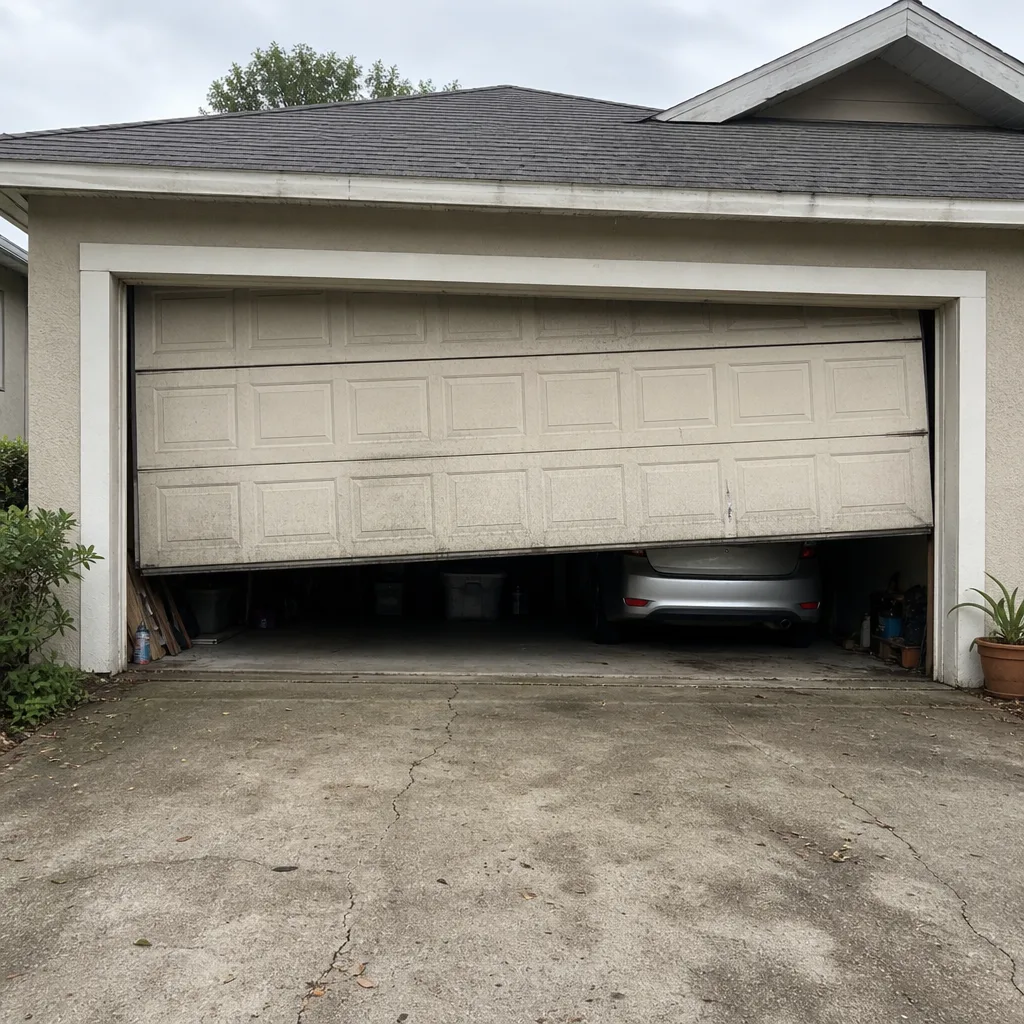 Before
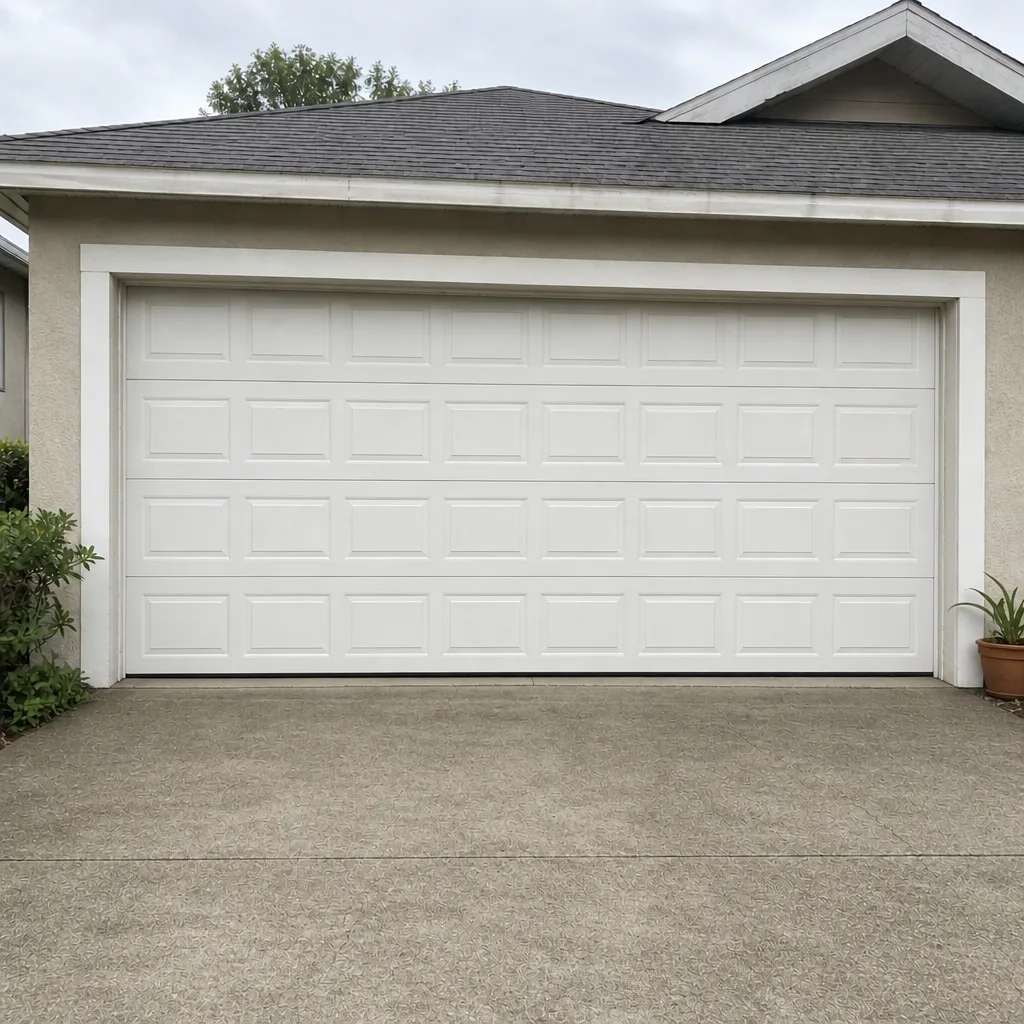 After
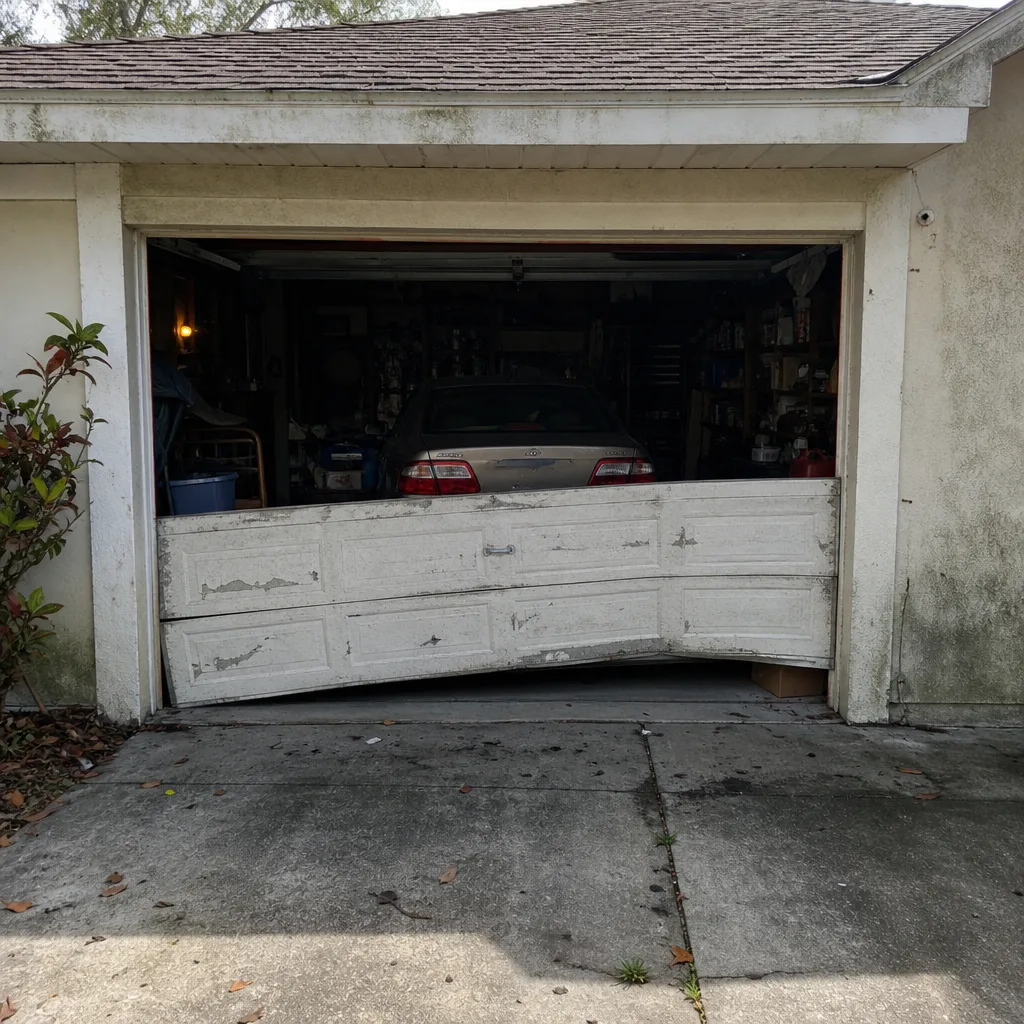 Before
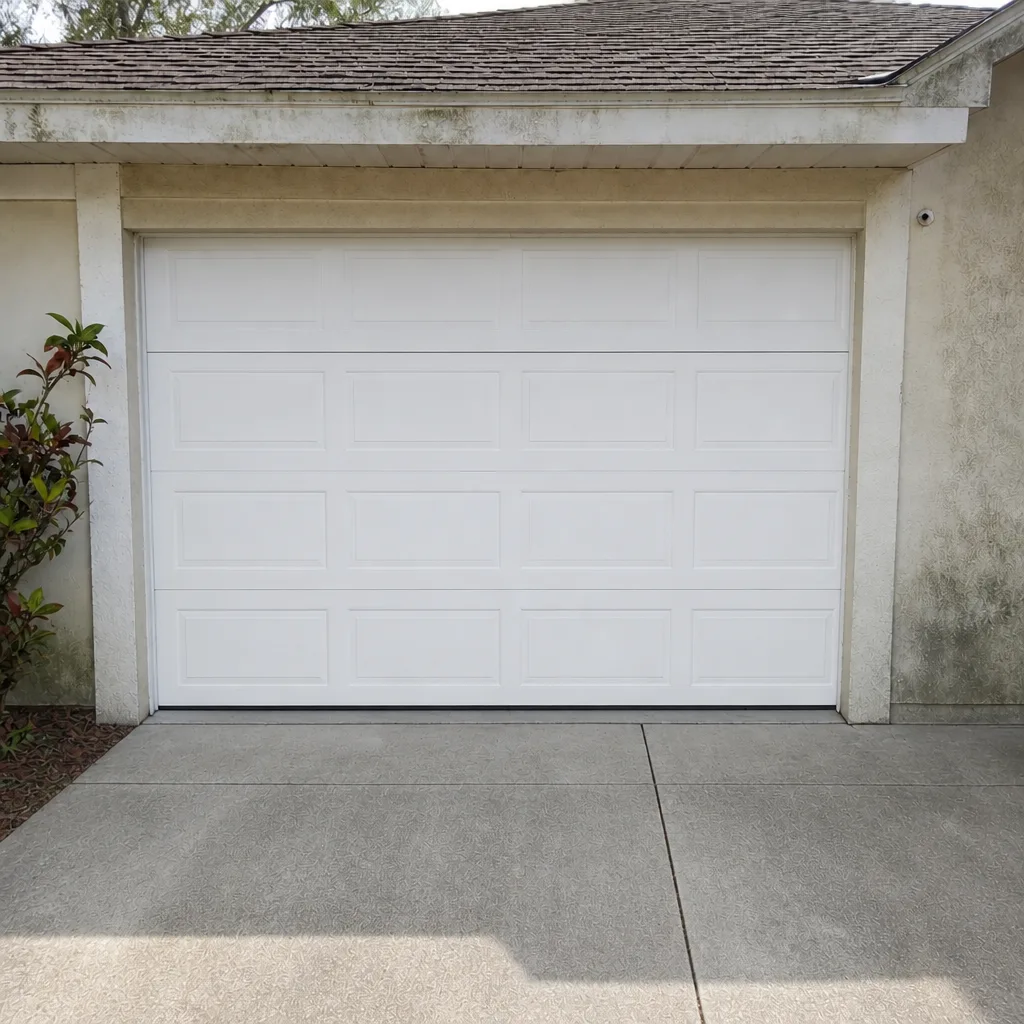 After
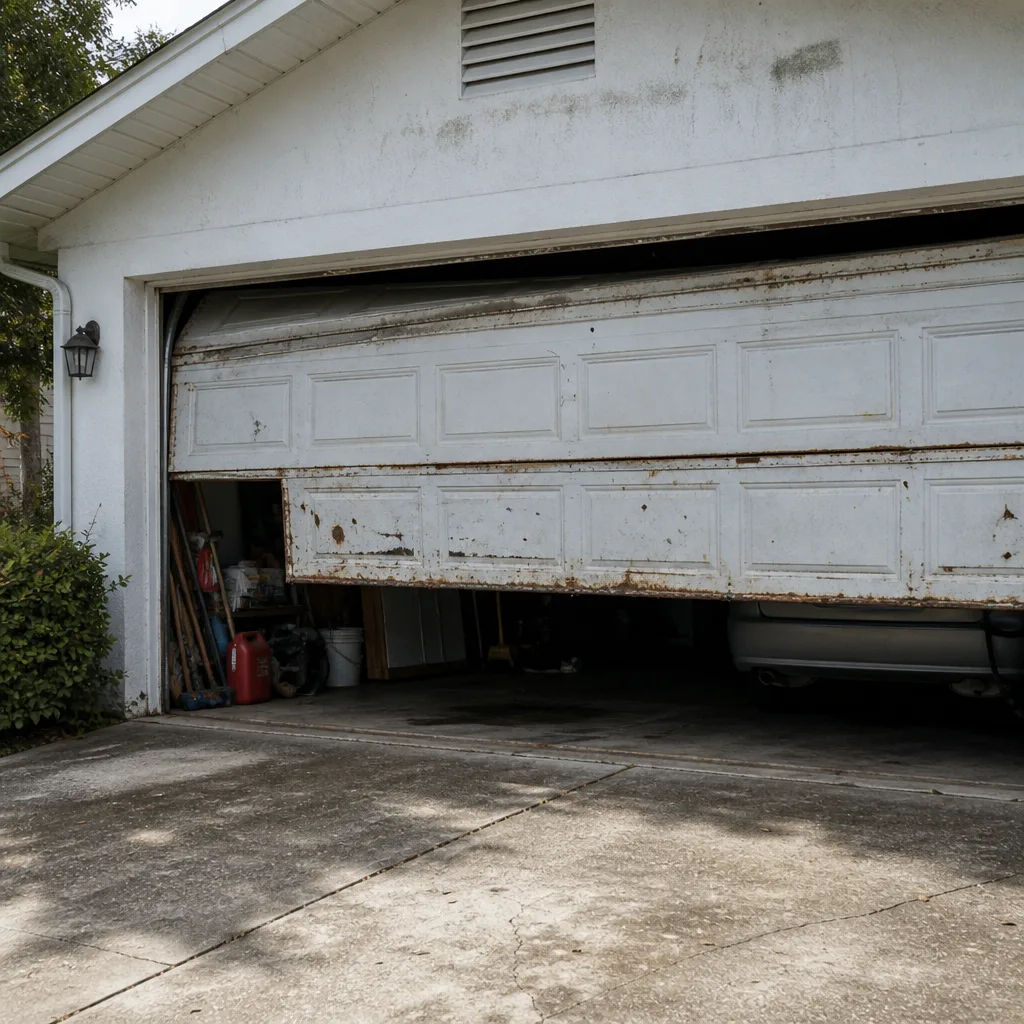 Before
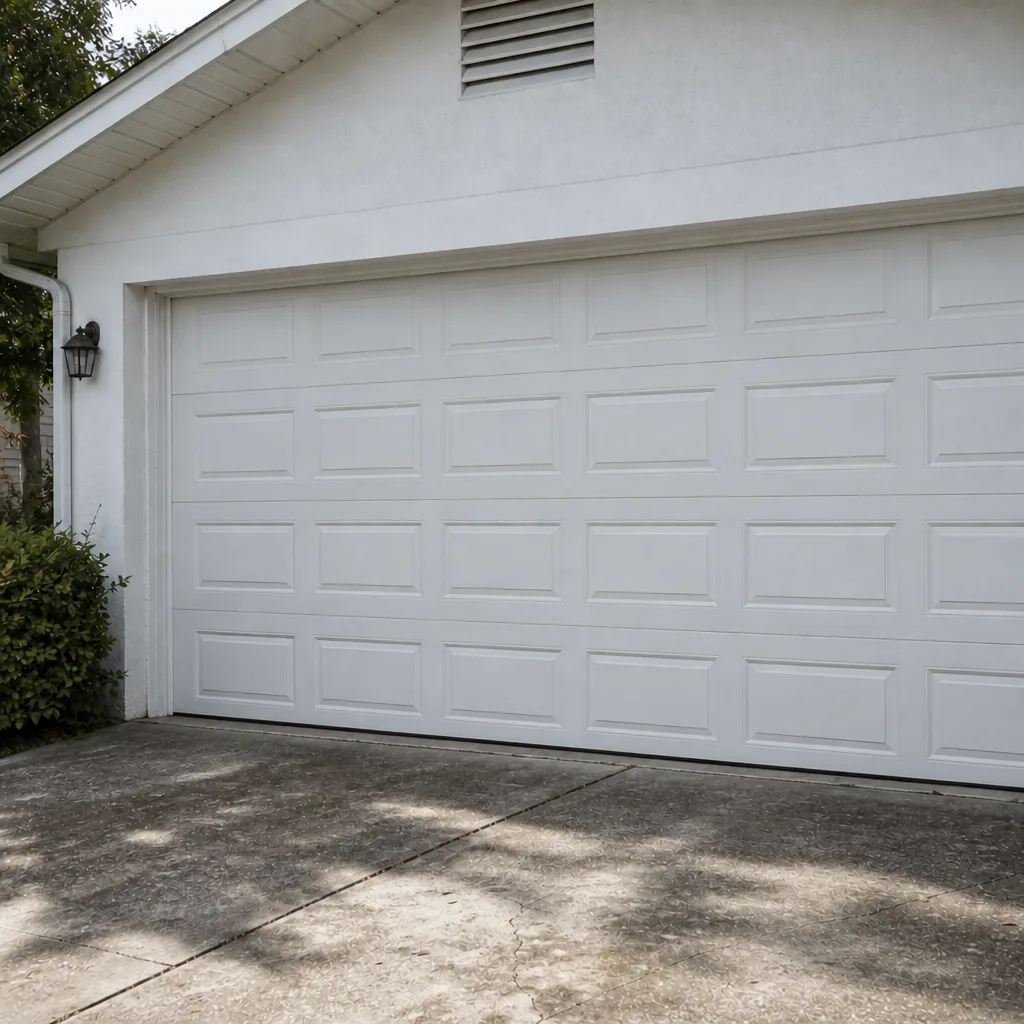 After