Last updated November 22, 2026
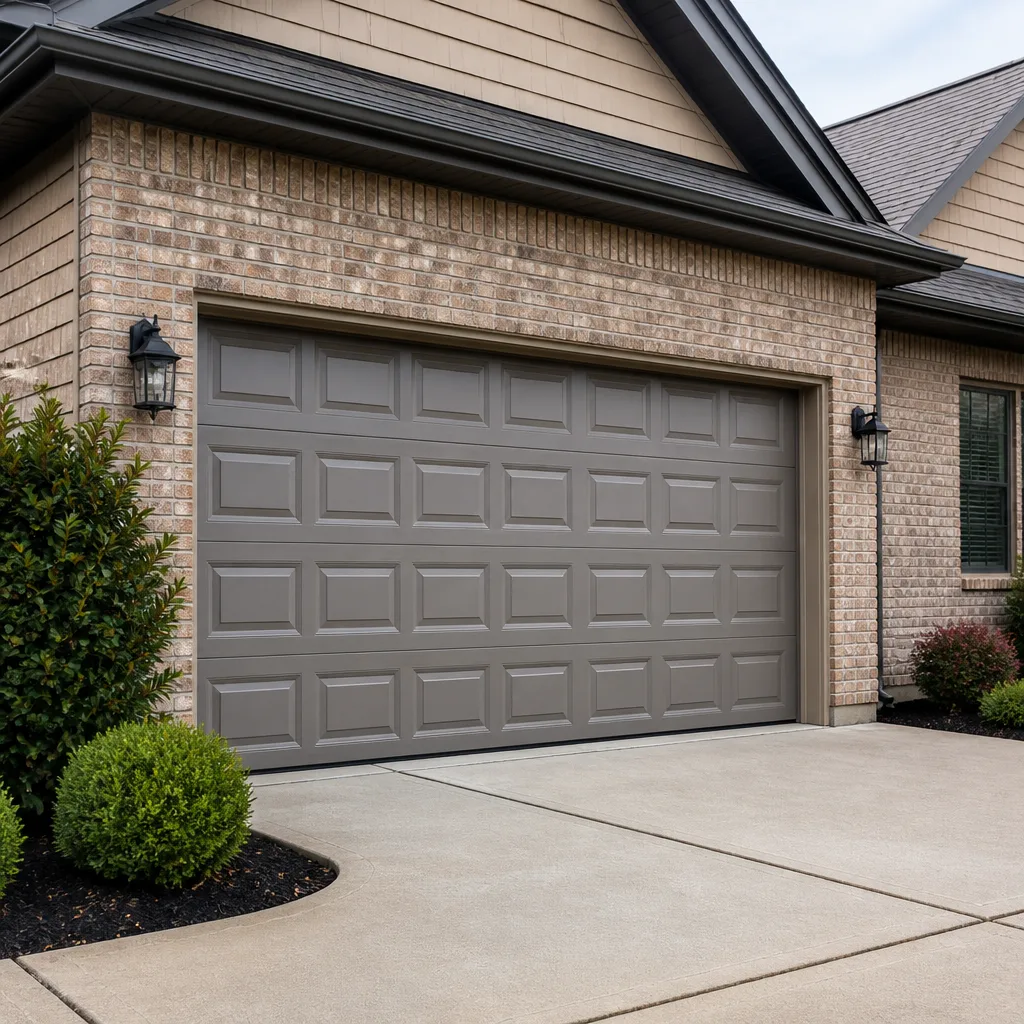 Raised-panel steel
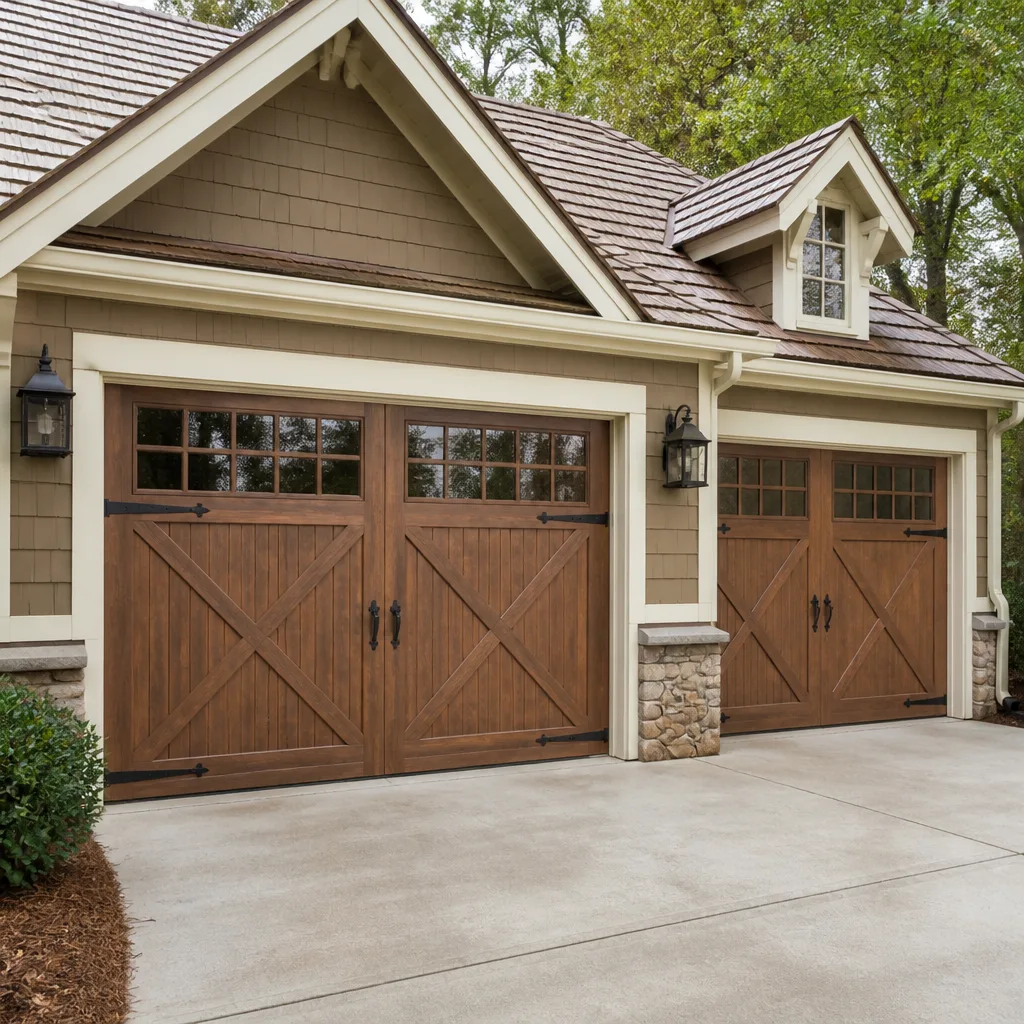 Carriage house
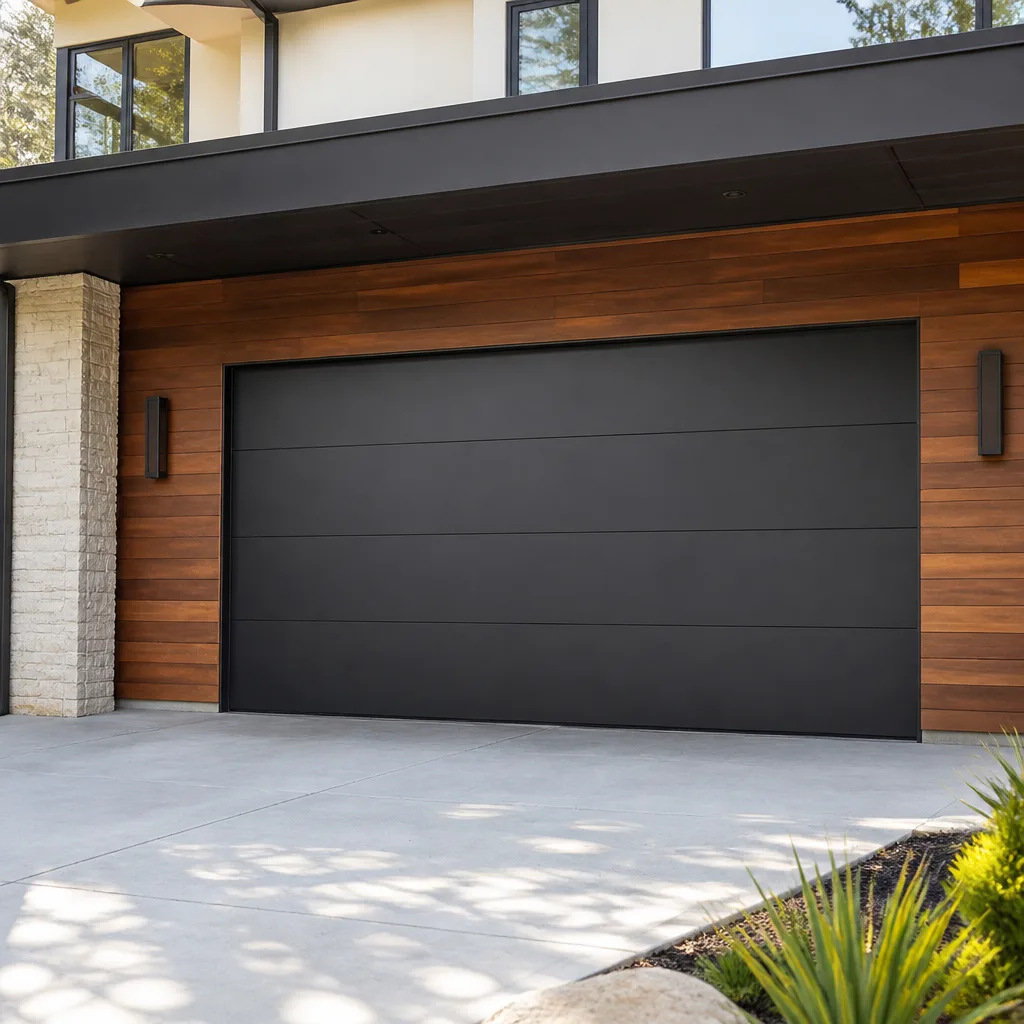 Modern flush
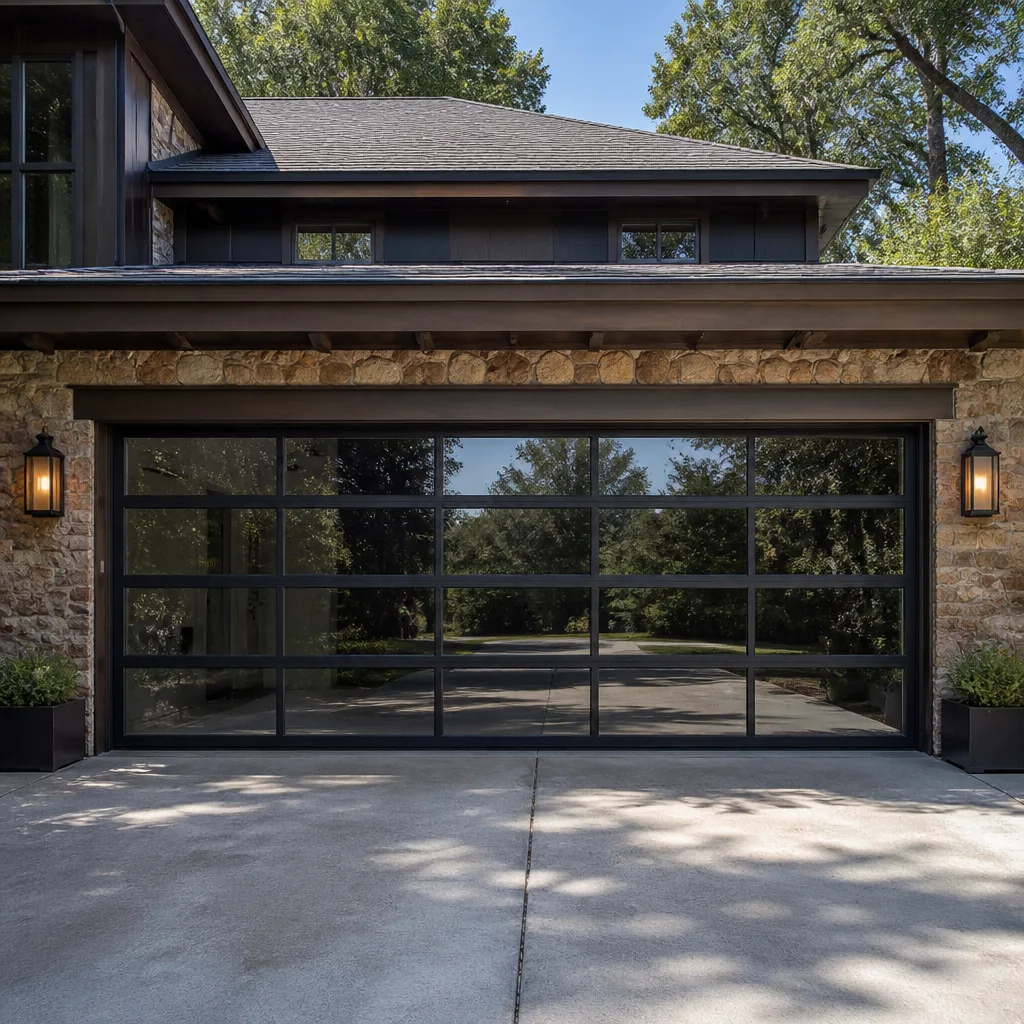 Full-view glass
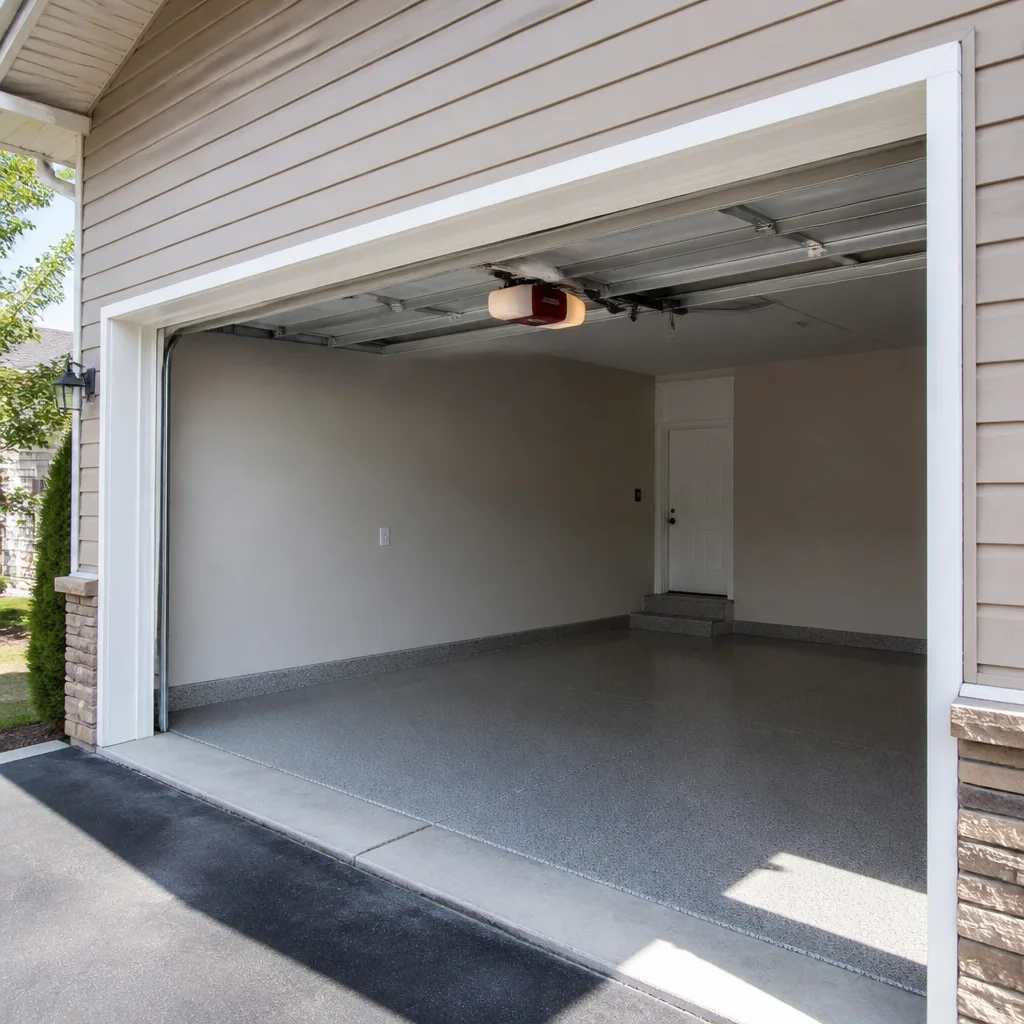 LiftMaster openers
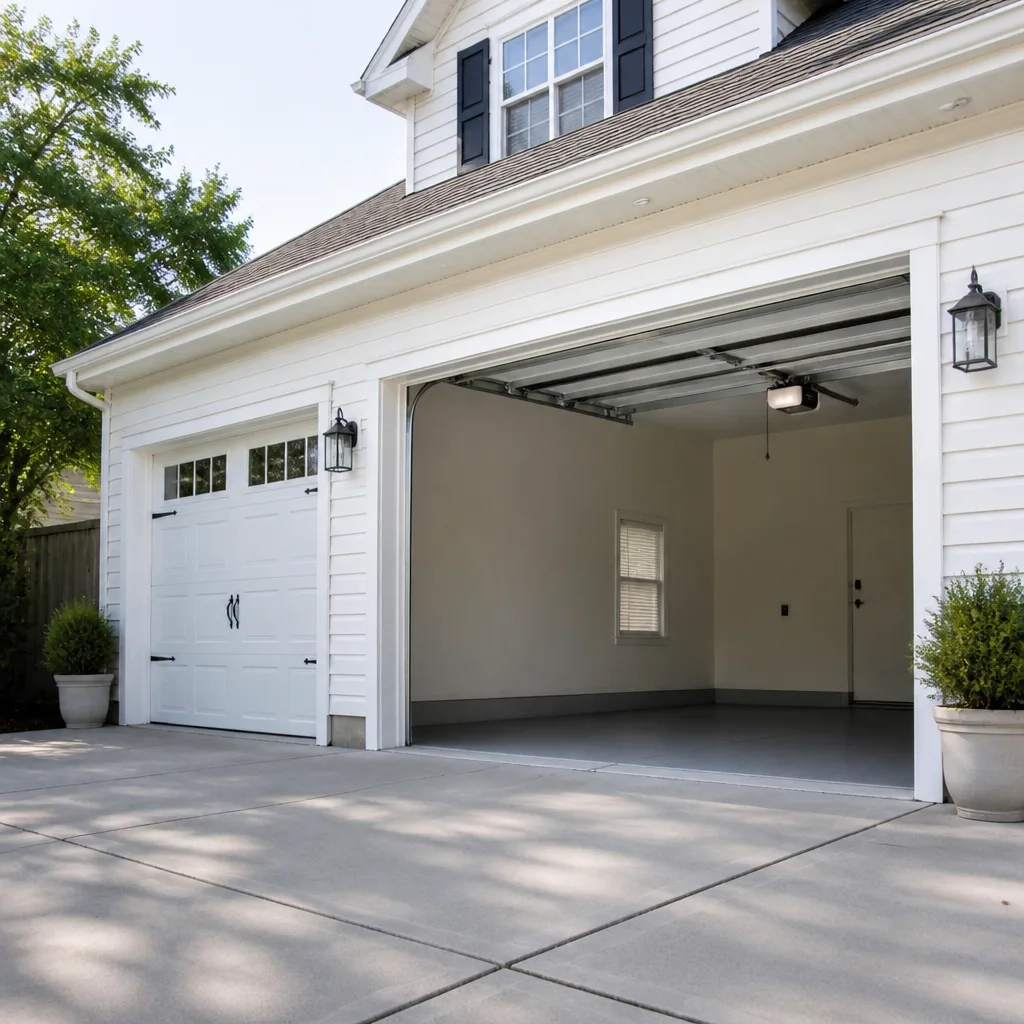 Chamberlain openers
Full 25-point door and opener safety check with every visit - springs, cables, rollers, tracks, and your LiftMaster or Chamberlain opener included
You get a price before we start. It does not change when the pro arrives.
Get your free estimateGarage Door Repair Maintenance Checklist for Land O Lakes Homeowners
The most skipped maintenance task on a Land O Lakes garage door isn’t lubrication. It’s the bottom seal, and it gets skipped precisely when it matters most: after summer storm season. Standing water at the threshold, wind-driven debris, and months of heat soften the rubber faster than most homeowners expect, and when it goes, you get a gap you can’t see from the driveway but pests and rainwater find quickly. This guide is a full maintenance checklist for Land O Lakes homeowners, sequenced around Florida’s real stressors – wet season and dry season – rather than the spring-summer-fall-winter calendar most generic guides assume. You’ll learn what to check monthly, what to check seasonally, and where the safe homeowner inspection ends and a technician’s job begins.
Styles & brands we work with
- Raised-panel steel
- Carriage house
- Modern flush
- Full-view glass
- LiftMaster openers
- Chamberlain openers
Quick Answer
A garage door maintenance checklist in Florida works best when it follows the state’s weather rather than the four seasons. That means a heavier inspection after wet season (June through September) for seals, tracks, and rust, and a lighter dry-season routine through October to May focused on lubrication, balance, and hardware. Every month, run a 10-second balance test and look at the bottom seal; once a year, have a technician check springs, cables, rollers, and opener force settings.
Table of Contents
- Why Florida’s Climate Rewrites the Standard Checklist
- Wet Season Checklist: June Through September
- Dry Season Checklist: October Through May
- The Right Lubricant for Florida Heat (and What to Avoid)
- Safe Homeowner Inspection: Springs, Cables, and What Not to Touch
- Panel-by-Panel Inspection: Rust, Delamination, and Dent Alignment
- The 10-Second Balance Test (and What the Result Tells You)
- Opener and Drive System Care
- Common Mistakes to Avoid
- When to Call a Professional
- Frequently Asked Questions
- The Bottom Line
Why Florida’s Climate Rewrites the Standard Checklist
Most garage door maintenance guides are written for places that get ice, snow, and a hard freeze. Land O Lakes doesn’t. Instead, the door on your house works through a long hot stretch, an intense wet season of afternoon thunderstorms, and weeks where the garage interior climbs well above 90°F. That pattern stresses different parts of the system and in a different order. Rubber seals dry and crack from heat before they ever see a hard freeze. Steel panels on the sun-facing side of a door fade and chalk under UV long before they rust. And the hardware – rollers, hinges, springs – lives in a hot, humid space where the wrong lubricant turns into a sticky grit magnet instead of a smooth film.
Pasco County’s afternoon storms during wet season also do something subtle: they drive water sideways into places it shouldn’t sit. The bottom seal, the track where it meets the floor, and the low corners of the panels are where that water collects. You won’t notice it in the moment. You’ll notice it a season later as a rotted seal, a stiff roller, or a rust bloom spreading under the paint on a bottom panel.
So the checklist below is organized by wet season and dry season, not spring and fall. It’s also organized by who does the task – the homeowner with a flashlight, or a technician with the right tools. Land O Lakes homeowners who work from this sequence tend to catch small problems before they become repair calls, and they know exactly when to stop poking around and pick up the phone. If something already looks wrong while you read this, our Garage Door Repair Land O Lakes team can take a look and tell you what it needs.
Wet Season Checklist: June Through September
Wet season is the heaviest stretch for a garage door in Land O Lakes. Rain, humidity, and heat combine to stress seals, tracks, and hardware, and this is the season where small issues compound fastest. Work through this list at the start of wet season and again near the end of it.
- Inspect the bottom seal for gaps and soft spots. Run your hand along the rubber (with the door closed) and feel for brittleness, splits, or sections that no longer press flat against the floor. Any daylight or water trail beneath the door means the seal is failing.
- Clear debris from the tracks. Wind-driven leaves, grit, and pine straw collect in the track channel. Wipe the inside of the track with a damp cloth, then dry it. Don’t lubricate the track itself.
- Check the threshold for standing water. If water pools against the door after a storm, the grade or the seal needs attention. Persistent moisture at the threshold is the leading cause of bottom-panel rust.
- Look for rust on the bottom two panels. Rust starts at seams, scratches, and the bottom edge. Catching it early means a spot treatment instead of a panel replacement.
- Test the door’s reversal safety feature. Place a small block of wood on the floor in the door’s path and close the door. It should reverse on contact. If it doesn’t, stop using the door until it’s adjusted.
- Listen for new noises. Grinding, squealing, or a thumping sound that wasn’t there last month is a signal. Wet-season humidity stiffens rollers and hinges, and a fresh noise is usually the first sign.
Homes in Land O Lakes with west- or south-facing garages take the most sun and rain at the same time, and their seals and bottom panels age faster. If you’re on a lot where the driveway slopes toward the door, add a mid-season seal check. We handle a lot of garage door repair in Land O Lakes in the weeks right after the first heavy storms of the season, and most of it traces back to a seal or a roller that was already tired.
Dry Season Checklist: October Through May
Dry season is when a garage door in Land O Lakes gets a break from rain and a different set of stressors: steady UV, cooler nights, and months of daily use. This is the season for the tasks that keep the mechanical parts moving smoothly and the opener reliable.
- Lubricate rollers, hinges, and the spring. Use a silicone-based lubricant (more on that below). One light application at the start of dry season and a touch-up midway is usually enough.
- Run the monthly balance test. Details are in the balance test section below. This is the single most useful homeowner check on the whole list.
- Inspect the springs visually. Look for gaps in the coil, rust streaks, or a spring that looks stretched or sagging. Do not touch it. Visual only.
- Check the cables. Look for frayed strands, kinks, or slack. Do not attempt to adjust or remove a cable.
- Test the opener’s safety sensors. Wave an object across the sensor beam with the door closing. The door should reverse immediately.
- Wash the door panels. A gentle wash removes salt and dust buildup and lets you see the surface clearly for rust or cracking. Inspect while the door is wet, then dry it.
- Tighten visible bolts on the hinges and brackets. Hand-tight only on the hinge plates. Leave the spring and cable hardware alone.
- Check the weatherstripping on the sides and top. Same logic as the bottom seal, just at the edges.
Dry season is also the best time for a professional tune-up and spring inspection. The door is under less stress from weather, and a technician can catch wear before wet season pushes it over the edge. If your door uses a torsion spring setup – common on newer Land O Lakes homes – the annual dry-season check is where most spring problems get noticed, and where a dedicated garage door spring repair visit can prevent a mid-storm breakdown.
The Right Lubricant for Florida Heat (and What to Avoid)
Silicone-based lubricant is the right choice for a garage door in Florida heat. It stays smooth at high temperatures, doesn’t turn tacky, and won’t collect dust and grit the way petroleum-based products do. Above 90°F, a petroleum-based lubricant can thin out and evaporate off the surface, leaving the metal dry, while the residue that stays behind catches dust and sand and turns into an abrasive paste. In a garage that regularly climbs past 90°F, that’s the wrong trade.
Here’s what to use and where:
- Rollers, hinges, and pivot points: silicone-based lubricant, applied lightly. A little goes a long way, and too much attracts dirt.
- Torsion spring: a light coat of silicone spray on the coil is acceptable as a homeowner task, applied with the door closed and no load concerns. If the spring is already showing gaps or rust, don’t keep lubricating it – call a technician.
- Tracks: no lubricant. Tracks should be clean and dry. Lubricant on a track collects grit and causes the rollers to skid.
- Opener rail and chain (if you have a chain drive): the manufacturer’s recommended lubricant for that specific opener. LiftMaster, Chamberlain, Genie, and Craftsman each publish their own guidance, and it varies by model. Our team works on those brands and can tell you what yours takes.
Keep the application light and wipe off excess. In humid conditions, excess lubricant on metal turns into a dirt trap within a couple of weeks. One light coat at the start of dry season and a touch-up before wet season is a sensible rhythm for Land O Lakes.
Safe Homeowner Inspection: Springs, Cables, and What Not to Touch
Some parts of a garage door are safe to inspect. Some are not safe to touch, period. Torsion springs and cables are under extreme tension and can cause serious injury if handled without the right tools and training. This section is a visual inspection guide for homeowners, not a repair guide. The safe move is to look, not to fix.
What you can safely look for:
- Coil gaps in the spring. A torsion spring is a tight coil of wire. If you see a visible gap between coils, or a stretch where the coil spacing looks uneven, that’s a sign of fatigue. Look from a few feet away. Don’t reach up and touch it.
- Rust streaks on the spring. Orange or brown streaks on a spring indicate moisture contact and often precede a break.
- Cable fraying. Cables run along the sides of the door. Look for strands poking out, kinks, or a cable that looks slack on one side. Frayed cables are a warning sign.
- Drums and brackets. At the top of the door, look for a drum that has shifted or a bracket that looks bent. Do not adjust.
What you should never do:
- Don’t try to adjust, remove, or replace a torsion spring or cable yourself. These parts hold the full weight of the door and a wrong move can be catastrophic.
- Don’t use the emergency release on a door with a broken spring and try to lift it by hand. Without spring tension, a door can drop suddenly.
- Don’t spray lubricant into a cable or spring assembly you don’t recognize. If you’re not sure what you’re looking at, leave it alone.
If a spring looks tired, the right next step is a trained technician, not a YouTube tutorial. Spring repair is a named, dedicated service here because it’s the highest-risk component in any garage door system, and it deserves a specialist. Our technicians have up to 12 years of experience with springs specifically, and we treat that work with the caution it requires.
Panel-by-Panel Inspection: Rust, Delamination, and Dent Alignment
Look at each panel on its own, not the door as a whole. Steel doors in Florida UV age differently panel by panel, and the panel that faces the most afternoon sun usually goes first. Here’s what to check:
- Rust. Look at seams, scratches, and the bottom edge. Surface rust is a spot treatment. Deep rust that’s eaten into the metal needs a panel replacement.
- Delamination. On insulated doors, look for bubbling or separation at the edge where the steel skin meets the insulation core. Delamination is a structural issue, not a cosmetic one.
- Dents and misalignment. A dented panel can throw off the door’s balance and cause uneven wear on the rollers and tracks. If one panel sits proud of the others, the door isn’t running true.
- Fading and chalkiness. Paint fading is normal in Florida sun. Chalky residue that comes off on your hand means the finish is breaking down and the steel is more exposed to moisture.
- Panel seam gaps. Look for daylight or gaps between panels. Small gaps let water in and speed up rust at the seams.
If the same panel keeps showing new problems, that’s a sign a full garage door installation may make more sense than repeated spot repairs. We’ll tell you which one actually makes sense for your situation, and give you a written estimate either way. Brands we work with on the panel and door side include Clopay, Amarr, Wayne Dalton, and Raynor, so if a replacement is the right call, we’re familiar with the hardware already on your home.
The 10-Second Balance Test (and What the Result Tells You)
The 10-second balance test tells you whether your springs are still doing their job. Run it once a month, every month, and you’ll catch spring wear before it becomes a broken spring. It’s the single most useful thing a homeowner can do without tools.
- Disconnect the opener. Pull the emergency release handle so the door is running on the springs alone. Do this with the door in the closed position.
- Lift the door about halfway by hand. Use the manual lift. The door should feel manageable, not like dead weight.
- Stop it at the halfway point and let go. Let it sit for a moment.
- Watch what it does.
- If it stays put, the springs are balanced. Good.
- If it drops, the springs are losing tension. That’s a sign a spring adjustment or replacement is coming.
- If it rises on its own, the springs are over-tensioned or the door is unusually light. Either way, have it checked.
- Reconnect the opener. Push the release handle back so the opener can lift the door again.
A door that drops during this test isn’t a door you should keep using. It’s the classic early warning for a failing spring, and in Land O Lakes heat, springs fatigue faster than in cooler climates. A slow drop becomes a sudden snap eventually, and a snapped spring is a same-day problem. If your test fails, call before you keep running the door.
Opener and Drive System Care
Your opener does the lifting work, but the springs carry the weight. When they’re out of balance, the opener takes on strain it wasn’t designed for. That’s why opener care starts with the balance test above. Beyond that, there are a few maintenance checks specific to the opener itself.
- Test the safety sensors monthly. Wave a hand across the beam while the door is closing. The door should reverse immediately. If it doesn’t, adjust or replace the sensor before using the door again.
- Listen to the opener. Grinding, clicking, or a loud hum without movement means a gear or drive issue. A smooth, consistent motor sound is what you want.
- Check the wall control and remotes. If remotes stop working or the wall button is finicky, it’s often a battery, a sensor, or a logic board issue, not the opener itself.
- Keep the opener housing clear. Dust and debris around the unit, especially in a hot garage, can cause overheating. Wipe it down during dry-season cleaning.
We work on the major opener brands you’re likely to have – LiftMaster, Chamberlain, Genie, and Craftsman among them – so when an opener does need attention, our garage door opener repair team knows the model already on your ceiling rather than guessing. Most opener issues we see in Land O Lakes trace back to a force setting that needs adjustment or a sensor that has drifted, not a dead motor.
Common Mistakes to Avoid
- Lubricating the tracks. Tracks should be clean and dry. Lubricant on a track collects grit and makes rollers skid. Two sentences of scrolling online advice and a can of WD-40 later, the door runs worse than before.
- Using petroleum-based lubricant in a hot garage. It thins above 90°F and leaves sticky residue that traps dust. Silicone-based products hold up far better in the Florida heat.
- Ignoring the bottom seal until it’s fully gone. The seal is the first line of defense for water, pests, and humidity. A small gap becomes a rotted bottom panel by the end of a wet season.
- Skipping the monthly balance test. A door that drops during the test is telling you a spring is failing. Most homeowners only find out when it snaps and the door won’t open.
- Trying to adjust springs yourself. This is the most dangerous part of a garage door and the one task that should always go to a trained technician. There’s no safe DIY version.
- Waiting until the door won’t move to call. A grinding roller or a rust-streaked spring is a repair. A snapped spring is an emergency. Catching it early is cheaper and less disruptive.
- Replacing the whole door when a repair would do. A worn roller, a tired seal, or a single dented panel doesn’t mean the door is finished. Get an honest assessment before you commit to a full replacement.
When to Call a Professional
Call a professional if the door won’t open or close, if a spring has snapped or looks stretched and rusted, if a cable is frayed or slack, or if the door drops during the balance test. Those are all signals that the door’s weight-bearing system needs a trained eye. Call sooner rather than later – a garage door that won’t close in Land O Lakes is a security and weather problem, not just an inconvenience, and every hour matters. Emergency service is a core part of what we do, not an add-on, so if the door fails outside standard business hours, pick up the phone and we’ll book you in.
Garage Door Repair Land O Lakes offers free estimates in Land O Lakes – call (844) 660-8384. If you’re not sure whether it’s a repair or a replacement, we’ll walk you through both options with a written price before any work starts.
Frequently Asked Questions
Do a light homeowner check every month and a full inspection twice a year – once at the start of wet season in June and once at the end of dry season around May. Monthly checks should include the 10-second balance test, a quick seal check at the bottom, and a look at the tracks for debris. The twice-yearly inspections cover lubrication, spring and cable visuals, and opener safety tests. Twice a year is a good baseline; if your door is older or takes heavy daily use, do the professional check annually at minimum.
Spring and opener issues are the two most common reasons people call us in Land O Lakes. Springs fatigue faster in the heat and humidity, and openers strain when the springs are slightly off balance. Bottom-seal failures are also common right after wet season, when standing water and debris have had a few months to work on the rubber. Call (844) 660-8384 for a free estimate.
Yes, for rollers, hinges, pivot points, and the torsion spring surface – using a silicone-based lubricant applied lightly. Don’t lubricate the tracks, and don’t try to lubricate or adjust the springs or cables inside the tension assemblies. If you’re not sure what you’re looking at, leave it alone and ask a technician.
A broken spring usually announces itself with a loud bang, and the door becomes very heavy or won’t lift at all. Other signs include a visible gap in the coil, a stretched or sagging spring, and a door that drops during the balance test. Don’t try to lift a door with a broken spring by hand – call a professional. We handle spring repair as a dedicated service and can usually get to it same-day.
No. We give you a written estimate before any work starts, and that quoted price is what you pay. If the inspection turns up something different from what you described on the phone, we tell you before doing the work and re-quote if needed. No surprise line items.
Most likely, yes. We’re trained on eight major brands, including Clopay, Amarr, Wayne Dalton, and Raynor on the door side, and LiftMaster, Chamberlain, Genie, and Craftsman on the opener side. That covers the overwhelming majority of residential setups in Land O Lakes. When you call, tell us what’s on the door and we’ll confirm before we come out.
The local professionals we connect you with are licensed and insured as their state requires. If you need documentation for an HOA or insurance claim, let us know when you call and we’ll make sure it’s available.
The Bottom Line
Garage door maintenance in Land O Lakes works best when it follows the weather, not the four-season calendar. Run the monthly balance test and check the bottom seal after wet season. Lubricate with silicone-based products during dry season, and inspect panels for rust and delamination before it spreads. Leave springs and cables to a trained technician – that’s the one part of the checklist where looking is safe and touching isn’t. Homeowners who work from this rhythm catch small problems early, keep the door running smoothly through Florida heat and storms, and know exactly when it’s time to call. That’s the whole point: a checklist that matches how your door actually wears.
When something doesn’t look right, or when the door stops doing what it should, call Garage Door Repair Land O Lakes at (844) 660-8384 for a free estimate. We’ll tell you honestly whether it’s a repair or a replacement, and the price we quote is the price you pay.
Written by the team at Garage Door Repair Land O Lakes.
See the difference
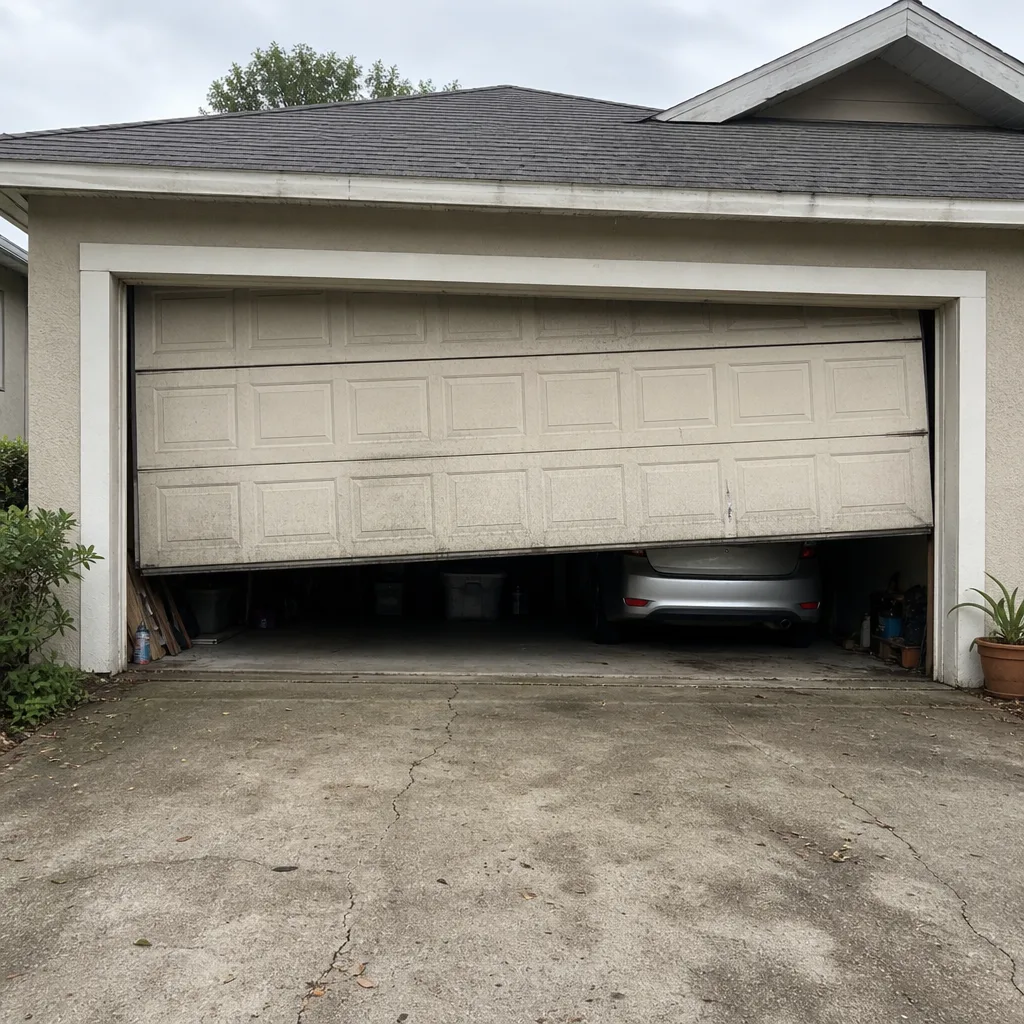 Before
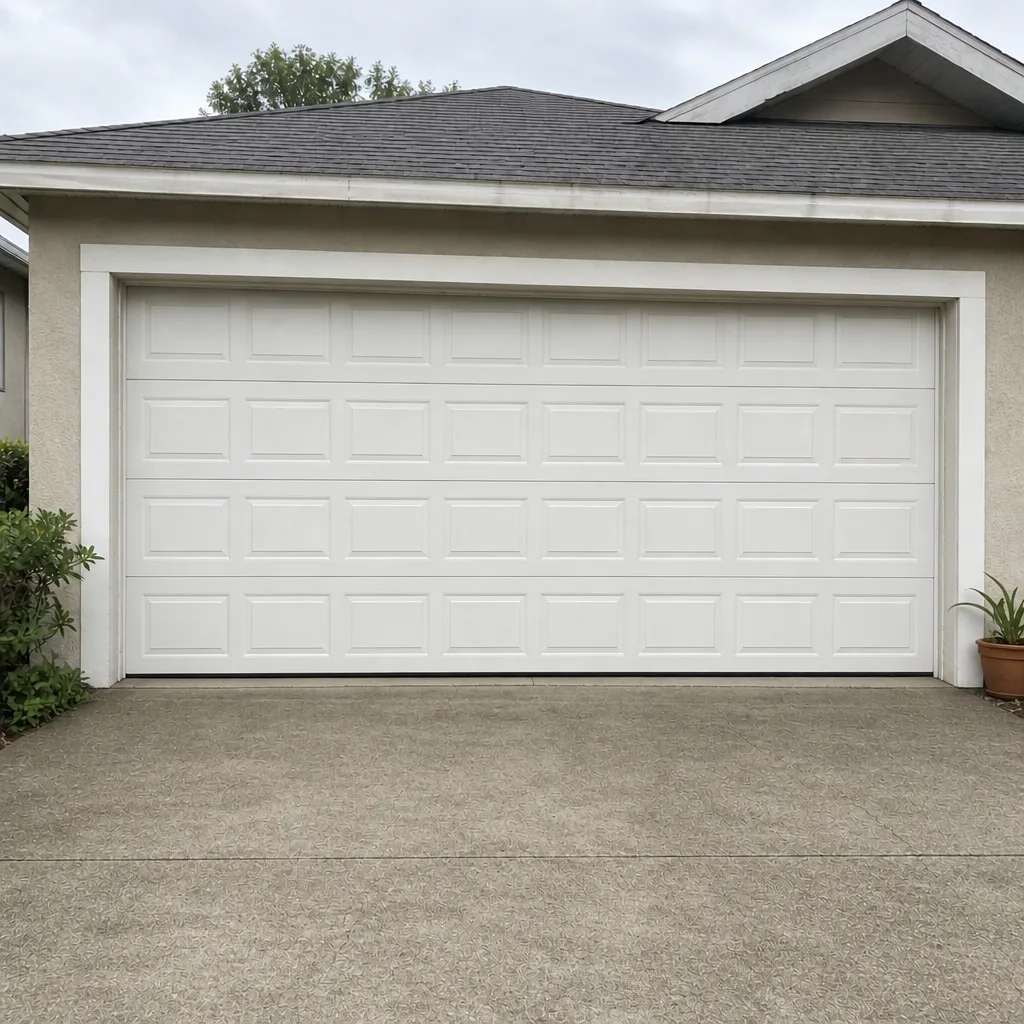 After
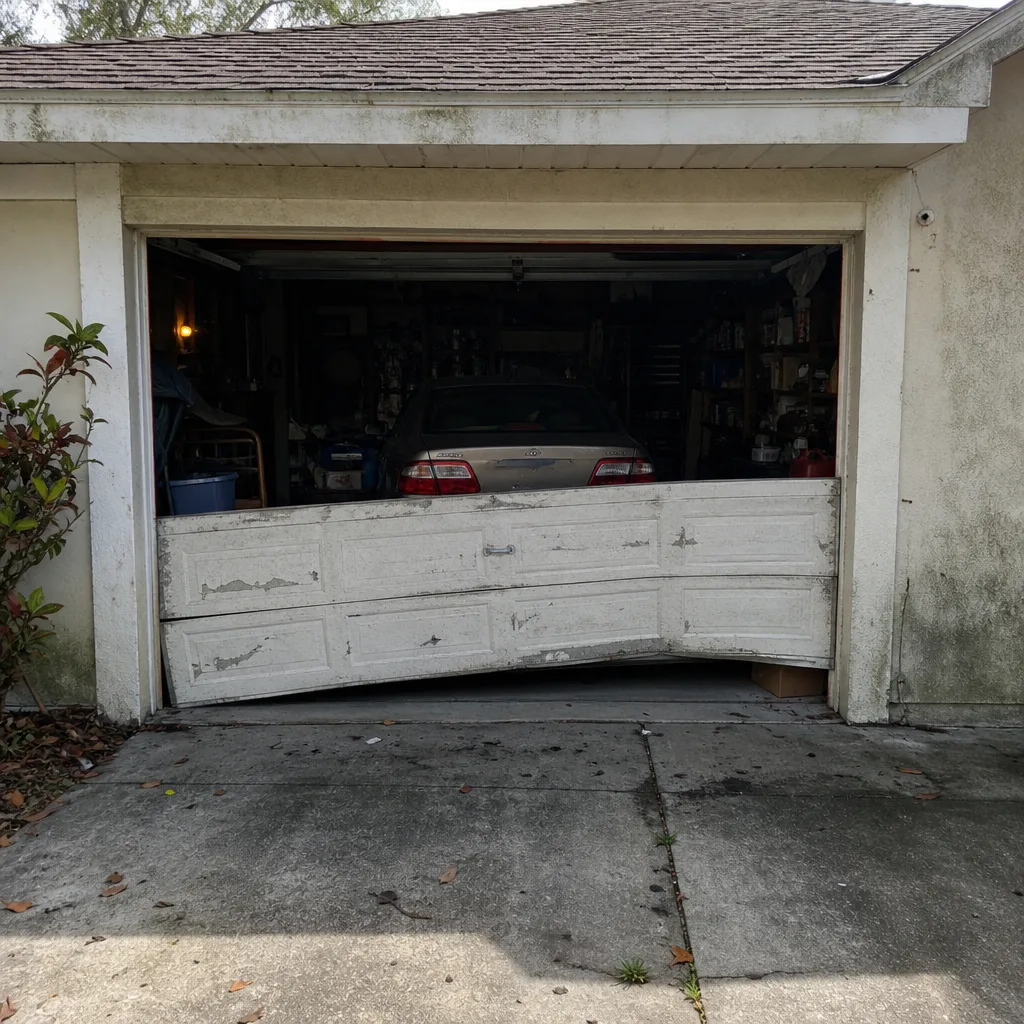 Before
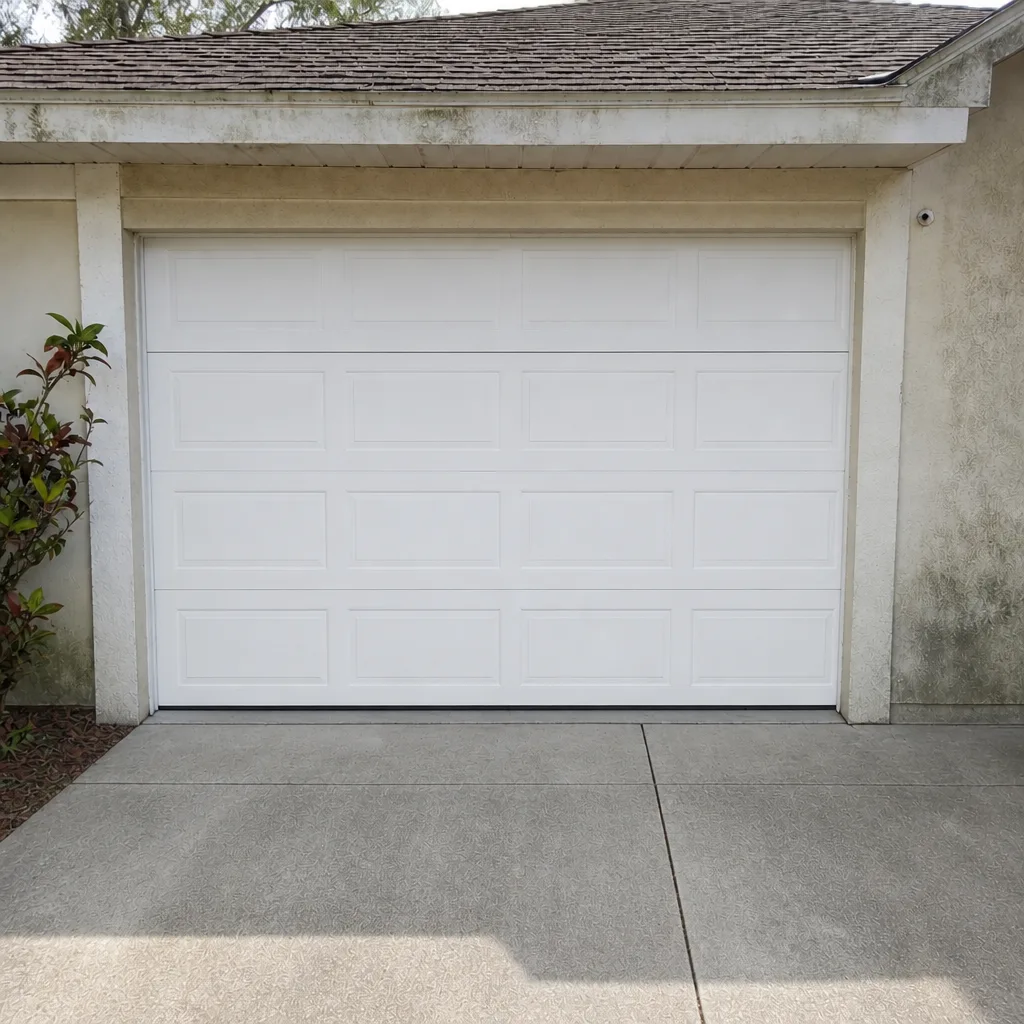 After
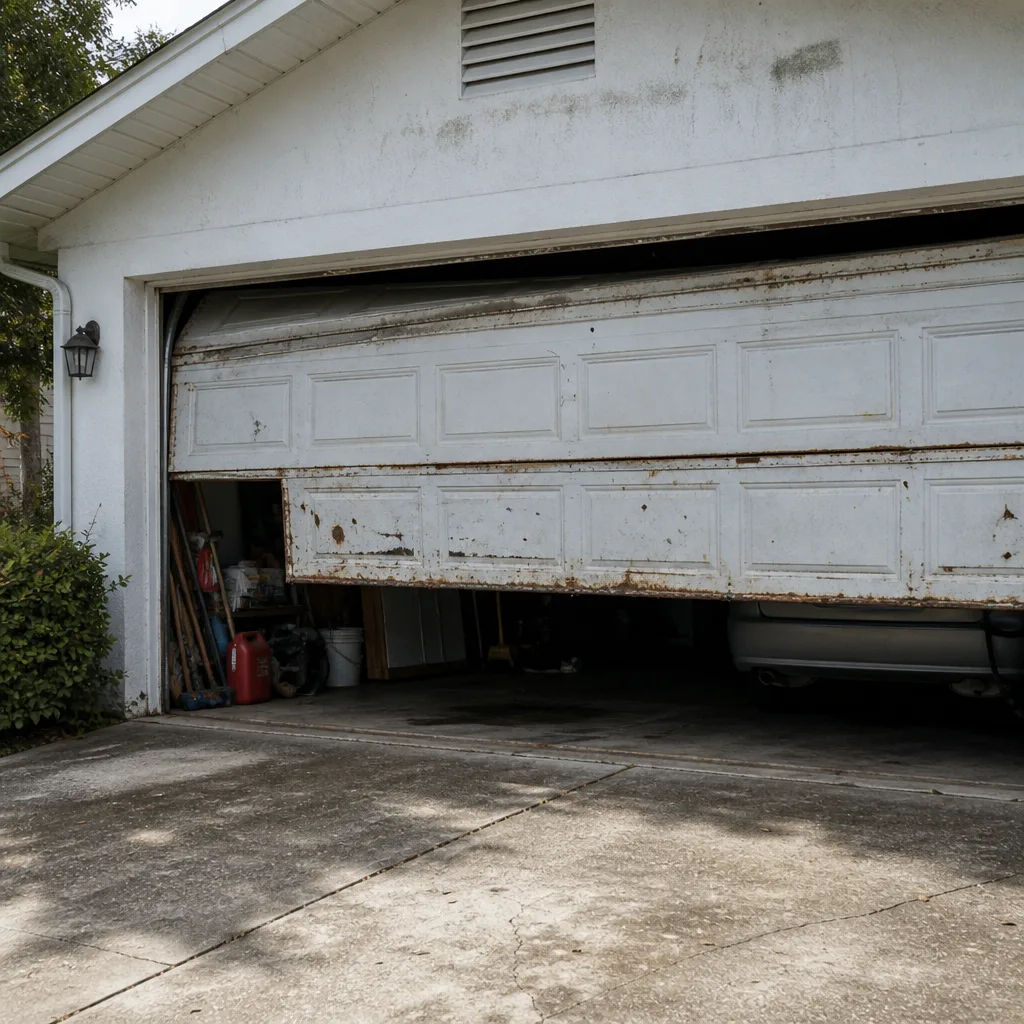 Before
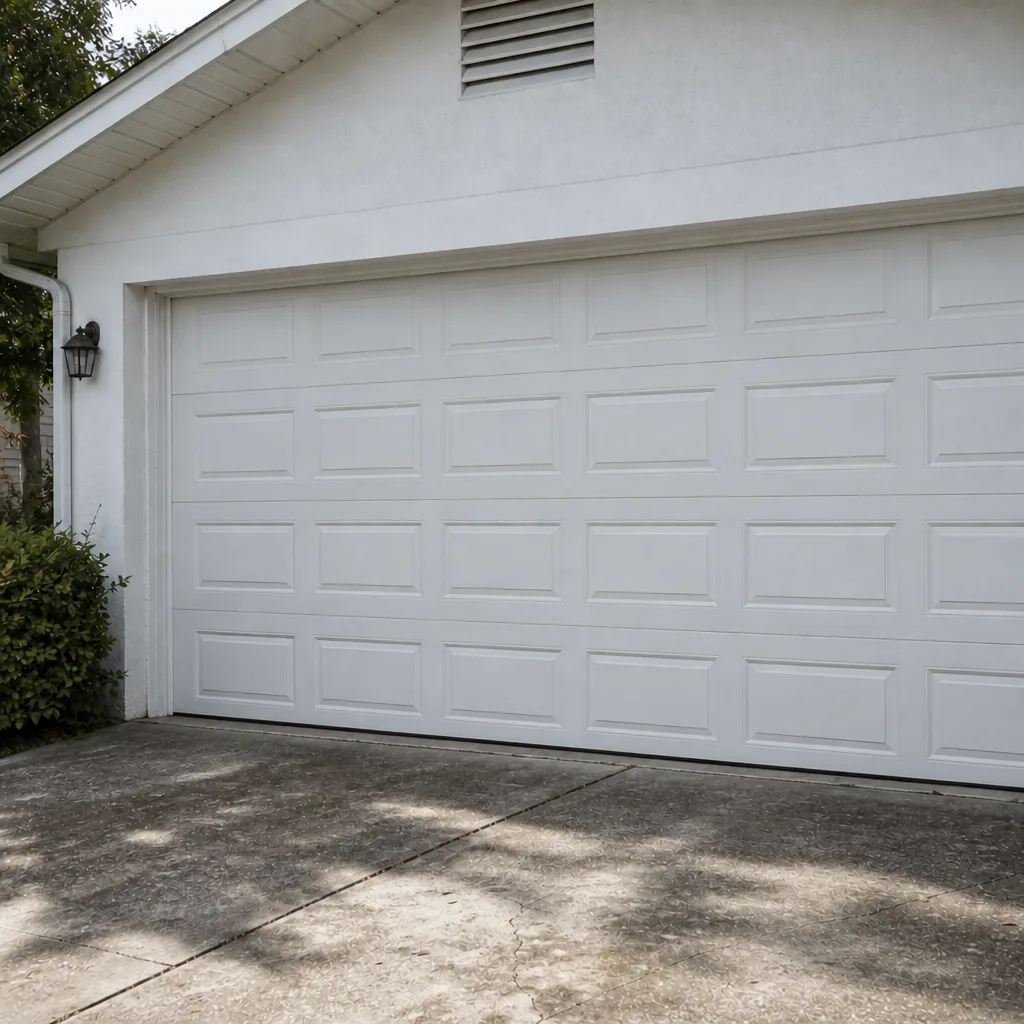 After